7 Best Multiphase Pumps for Oil and Gas Buyers

Selecting a multiphase pump is not just a matter of comparing flow rates. Oil and gas production streams can contain changing proportions of gas, oil, water, and sometimes solids. A pump that performs well under one operating condition may struggle when pressure, viscosity, or gas volume shifts. Small details matter.

This guide to seven leading multiphase pumps gives buyers a practical starting point. It considers pump technology, operating range, materials, control options, maintenance needs, and supplier support. These factors help teams assess whether a unit suits a particular wellsite or production facility. A compact footprint may matter on a crowded offshore deck, while access to replacement parts can be critical at a remote onshore location.

Specifications deserve careful reading. Compare performance curves against expected operating conditions, and ask suppliers how their equipment handles changing gas fractions and liquid properties. Confirm installation requirements, monitoring features, and service arrangements before making a shortlist. Independent engineering review may also help identify gaps between published ratings and site needs. No shortlist is perfect.

A multiphase pump can support the movement of mixed production streams and may reduce reliance on upstream separation, depending on the system design. It is not a universal fix. This overview highlights trade-offs, but project-specific testing and verified vendor data remain essential. Some buyers may give too much weight to headline capacity; that is an easy mistake to make. The better choice is the one that fits the full operating envelope, not just the most attractive number.
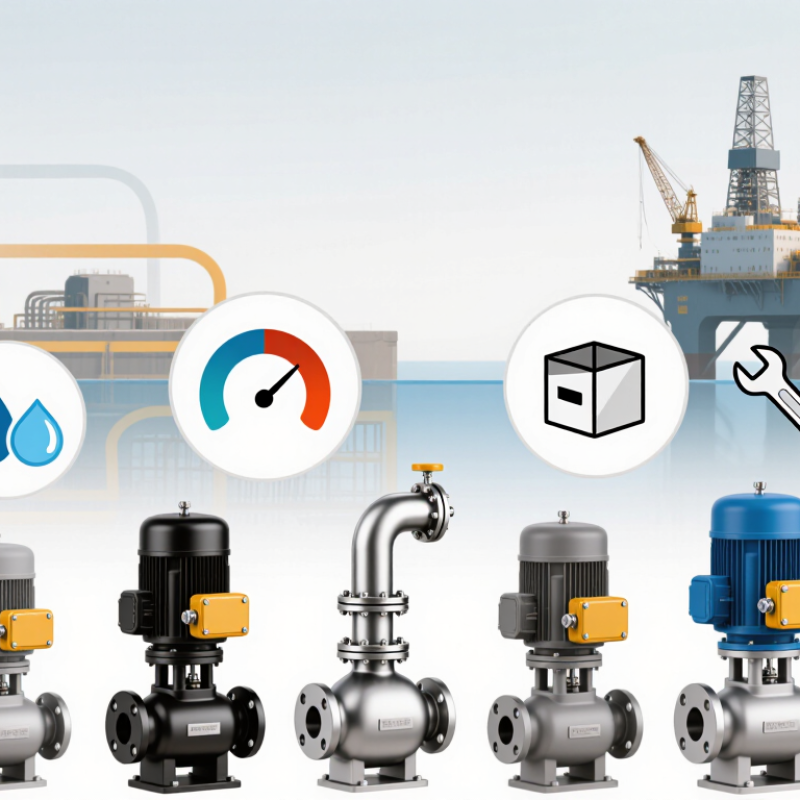
7 Best Multiphase Pumps for Oil and Gas Buyers

What Multiphase Pumps Do in Oil and Gas Production

Multiphase pumps move an unseparated wellstream—oil, gas, and produced water—through one pipeline. This matters when reservoir pressure falls and a conventional system can no longer push fluids to a processing facility. By boosting pressure at the well pad, a pump can help maintain flow and connect remote or mature wells to existing infrastructure. The stream may arrive in uneven slugs, not as a tidy mixture. That detail matters when sizing equipment.

The World Bank’s Global Gas Flaring Tracker Report 2024 estimated that 151 billion cubic metres of gas were flared worldwide in 2023. A multiphase pump does not prevent flaring by itself, but moving gas-bearing production toward processing can support better use of available infrastructure. Selection still depends on gas volume fraction, pressure, fluid viscosity, solids, and changing flow rates. Poorly matched equipment may face vibration, wear, or unstable operation. Not a universal fix. Field measurements and a realistic operating envelope matter more than a brochure’s best-case numbers. Even then, forecasts can be wrong; production rarely stays steady for long.

How Multiphase Pump Technologies Differ

Multiphase pumps move oil, water, and gas through one line, but their internal designs handle that mixture differently.

Twin-screw pumps use two rotating screws to move fluid continuously. They generally tolerate changing gas fractions and can handle viscous liquids, though wear and clearance changes may affect performance. Their smooth flow can be useful where pressure fluctuations are a concern.

Helico-axial pumps use rotating stages to add energy to the mixture. They can suit high-flow service, but performance depends on gas content, fluid properties, and operating speed.

Progressive cavity pumps rely on a rotor turning inside an elastomeric stator. They provide steady flow at lower rates, yet temperature, chemical compatibility, and abrasive solids deserve close attention. Small details matter.

The right choice depends on the actual operating envelope, not just a headline capacity.

Compare expected gas volume, liquid viscosity, pressure rise, solids, and turndown requirements. A clean sample from a steady operating day may not represent startup or seasonal changes. That gap can matter. Ask for performance data across realistic conditions, then check how maintenance access fits the site. There is no universal winner, and a tidy comparison table can conceal assumptions that need questioning.

Key Criteria for Choosing a Multiphase Pump

A multiphase pump should match the well’s actual operating envelope, not just its peak flow rate. Compare expected liquid production, gas volume fraction, inlet pressure, and required pressure increase. Ask for performance curves across the full range, including low-flow conditions. Flow data matters. A pump that handles today’s mixture may struggle as water cut or gas content changes. Check the expected turndown range before choosing a model.

Fluid properties matter, too. Confirm viscosity, temperature, corrosive components, and the size and amount of solids the pump can tolerate. These details affect rotor or impeller design, clearances, materials, and seal selection. Ask how the unit behaves during startup and brief flow interruptions. Small operating details count. Review power demand, control requirements, access for routine inspection, and the availability of critical spares. A compact package may save space but leave little room for maintenance. Request test data based on conditions close to the well’s expected service; generic curves can hide important differences. It is tempting to choose by efficiency alone, but I would reconsider that shortcut. Reliability and service access can matter more over the pump’s working life.

Seven Leading Multiphase Pump Options for Oil and Gas Buyers

Seven Leading Multiphase Pump Options for Oil and Gas Buyers

Multiphase pumps move mixed oil, gas, and water without separating every stream first. Buyers can compare seven practical options: horizontal twin-screw, vertical twin-screw, high-pressure twin-screw, low-speed twin-screw, helico-axial, subsea-installed, and surface skid-mounted units. These describe pump technologies and installation configurations, not seven interchangeable machines. Twin-screw designs can handle changing gas fractions and flow rates; helico-axial designs use rotating elements to boost mixed fluids. Actual performance depends on the fluid, operating envelope, and system layout. No universal winner exists.

Before requesting quotes, share measured or estimated flow, pressure, gas volume fraction, fluid viscosity, temperature, and solids content. A pump selected for average conditions may struggle during startup or slugging. Ask suppliers for performance curves across the expected operating range, materials compatibility, seal arrangements, and maintenance requirements. Check how the package integrates with controls, piping, and available space. One detail is easy to miss: poor inlet conditions can undermine even a well-sized pump. Verify assumptions with field data where possible.

Tips: Compare lifecycle costs, not purchase price alone. Ask how the unit responds to flow changes, and request references from similar service. Keep a record of assumptions; some will be wrong. Revisit them before final sizing.

7 Best Multiphase Pumps for Oil and Gas Buyers

Example inlet-stream composition for evaluating multiphase pump requirements

This illustrative mixture totals 100% by volume: 35% oil, 50% gas, and 15% water. Actual phase fractions vary with well conditions and the pressure and temperature at which volumes are measured; buyers should use site-specific production data when selecting a pump.

How to Compare Performance, Maintenance, and Lifecycle Costs

A useful comparison starts with the actual well conditions, not a headline capacity figure. Check each pump’s operating envelope against expected flow, pressure rise, gas volume, viscosity, and solids. Gas fraction can swing during production, so ask for performance data across the full range, not just one design point. Field data matters. A pump that looks efficient on paper may struggle when feed conditions change. Confirm how the supplier defines efficiency and whether test results reflect your fluid and operating speed.

Maintenance and lifecycle cost deserve equal attention. Compare access to screws, seals, bearings, and wear parts, along with inspection intervals and repair requirements. Ask how routine work affects production: a quick seal change is different from lifting a heavy assembly out of a cramped skid. Include energy use, spares, labor, commissioning, and expected downtime in the cost model. A neat spreadsheet can still miss the cost of an unplanned stop. Not always. Request service assumptions in writing, then check them against your site’s staffing, tools, and spare-parts access. A lower purchase price may not mean lower ownership cost.

7 Best Multiphase Pumps for Oil and Gas Buyers - How to Compare Performance, Maintenance, and Lifecycle Costs
Pump type Typical application Multiphase performance Maintenance considerations Lifecycle cost considerations
Twin-screw multiphase pump Surface gathering, well-pad boosting, and pipeline transport where oil, water, and gas arrive together. Positive-displacement design can handle changing gas fractions and fluid viscosities. Flow is generally related to speed; actual capacity depends on slip, pressure, and fluid properties. Inspect screws, clearances, bearings, seals, and lubrication systems. Abrasive solids, corrosion, and poor lubrication can increase wear. Often a strong candidate when one pump can replace separate phase-handling equipment. Compare seal and rotor service costs, power use, and spare-parts availability.
Helico-axial multiphase pump High-throughput production gathering and boosting, particularly where substantial free gas is present. Uses rotating stages to move a mixed fluid stream. Performance depends on gas volume fraction, pressure, speed, and the specified operating envelope; it is not a universal substitute for a compressor. Monitor vibration, bearings, seals, and stage condition. Stable operation within the designed flow and gas-fraction range is important. Assess capital and specialist-service requirements against potential savings from reduced separation and compression equipment. Check local service support.
Multiphase centrifugal pump Continuous-flow duties with relatively high liquid throughput and a defined operating range. Can move gas-liquid mixtures when designed for that service, but gas content can reduce head and efficiency. Confirm the full performance curve for the expected gas fraction and operating conditions. Check impellers, seals, bearings, and vibration. Operation far from the preferred range can accelerate wear and reduce reliability. May suit high-flow duties, but energy use and performance at changing gas fractions can strongly affect operating cost. Include controls and any required gas-management equipment.
Progressing-cavity pump Viscous or solids-bearing production, commonly in artificial-lift or lower-flow applications. Handles viscous fluids and some entrained gas, but high free-gas fractions can impair performance. Suitability depends on pressure, temperature, fluid chemistry, and elastomer compatibility. The rotor and elastomer stator are wear items. Abrasives, dry running, temperature, and incompatible chemicals can shorten service life. Compare replacement frequency and cost of rotor-stator components with energy and intervention costs. Material selection is a major lifecycle factor.
Gas-handling electric submersible pump (ESP) Downhole artificial lift for wells requiring high liquid production, with a gas separator or gas-handling stages where needed. Designed ESP configurations can tolerate more free gas than conventional pump stages, but gas handling is limited by the selected design and well conditions. Excess gas can cause loss of performance. Monitor motor, cable, seals, intake, and downhole operating conditions. Failures may require a well intervention to retrieve the equipment. Include energy consumption, installation, workover, and production-loss costs during downtime. Well access and intervention cost can dominate the lifecycle calculation.
Hydraulic jet pump Downhole artificial lift where retrievable equipment, variable operating conditions, or limited downhole moving parts are priorities. Uses a power-fluid jet to entrain produced fluids. It can lift mixed production, but efficiency is generally lower than some positive-displacement or electric alternatives and depends on the well and power-fluid system. The downhole pump has no moving parts, but nozzles and throats can wear or plug. Surface pumps, filtration, and power-fluid handling also require attention. Retrieval may be simpler than for some downhole systems, but power-fluid circulation and lower hydraulic efficiency can raise ongoing energy and treatment costs.
Hydraulic reciprocating pump Downhole artificial lift using a surface-powered hydraulic system, considered where operating flexibility or retrievable pump components are useful. Can lift produced fluids containing gas, but gas interference, fluid properties, and the selected pump arrangement affect performance. Verify suitability against the well’s gas and solids conditions. Valves and reciprocating components are subject to wear; surface power-fluid equipment needs routine inspection and fluid management. Evaluate surface-system complexity, power-fluid requirements, maintenance intervals, and the cost of retrieving or servicing downhole equipment.

Comparison note: These options serve different duties, including surface multiphase boosting and downhole artificial lift, so they are not direct substitutes. Gas fraction, flow rate, pressure rise, fluid composition, solids, temperature, and site conditions determine suitability. Cost descriptions are qualitative; obtain application-specific performance curves, maintenance estimates, and lifecycle-cost calculations before selection.