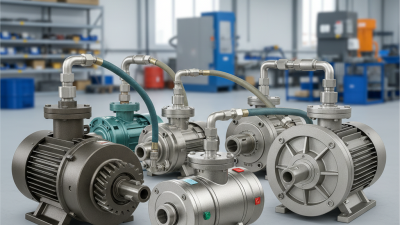
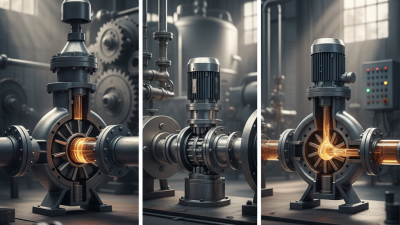
How to Choose Crude Oil Pumps in 2026?

Choosing crude oil pumps in 2026 is not just a matter of comparing catalog flow rates. The right choice depends on the oil, the installation, and the work expected between maintenance stops. Small details matter.

Crude oil can vary in viscosity, temperature, gas content, and solids. A pump selected for warm, light crude may perform poorly with colder, heavier feed. Engineers should define the required flow and differential pressure, then review suction conditions, seal requirements, materials, and the expected operating range. A centrifugal pump may suit steady, higher-flow service, while a positive-displacement design can be appropriate for more viscous fluids or controlled transfer. Neither type is automatically the better choice.

Use measured fluid data and site records where possible. Check pump curves, motor limits, net positive suction head requirements, and the effects of startup conditions. Confirm material compatibility with the actual fluid, not just a general crude-oil description. For applicable installations, review relevant industry standards, such as API 610, with qualified engineers and the pump supplier. Verify the final selection against current manufacturer documentation.

There is no perfect spreadsheet. A calculation can overlook a rough suction line, changing feed temperature, or limited maintenance access. Those practical constraints deserve attention before purchase. This guide explains how to compare crude oil pumps by performance, reliability, lifecycle cost, and serviceability, so buyers can ask better questions and make a defensible selection for their 2026 operating needs.

How to Choose Crude Oil Pumps in 2026?

Define the Crude Oil Pumping Duty and Operating Conditions

A crude oil pump should be chosen for its actual duty, not just a headline flow rate. Record the normal, minimum, and peak flow requirements, then estimate the pressure needed at each point. Include pipe length, elevation changes, valves, filters, and downstream pressure. Small details matter. A partly closed valve can change the duty considerably.

Describe the oil at operating conditions. Viscosity can shift with temperature, while density and vapor pressure affect pump performance and suction conditions. Note expected water, gas, wax, or solid content, even when levels seem low. These details can change over a shift. The first estimate is often wrong, especially when samples come from only one operating period.

Check how the system starts and runs. Is service continuous, intermittent, or subject to frequent flow changes? Record tank levels, suction-line diameter, fittings, and the lowest expected inlet pressure. Compare the available suction conditions with the pump’s requirements, allowing for practical operating margin. Keep units consistent. If records are incomplete, mark assumptions clearly and verify them with field measurements before final selection. A neat spreadsheet is useful, but it cannot replace a pressure reading at the suction flange.

Evaluate Crude Properties That Affect Pump Selection

Crude oil is not a single, stable fluid. Its viscosity, density, temperature, and contaminants can shift between wells and seasons. Start with a representative assay, then compare it with field samples and the expected operating range. One sample may not be enough.

Viscosity often drives the first hydraulic decision. Cold, heavy crude can demand more starting torque and increase suction losses. A pump selected only for warm conditions may struggle during a cold start. High viscosity can reduce centrifugal-pump flow and efficiency, while positive-displacement designs may suit some duties. Small details matter. Density affects power demand, and vapor pressure combined with inlet temperature determines available NPSH. Check the inlet pressure.

Sand and other solids can wear internal surfaces; fine particles may erode clearances over time. Water, salts, and acidic compounds can also influence material compatibility. Compare pump performance curves with measured viscosity at relevant temperatures, solids loading, and minimum inlet pressure. Leave room for uncertainty, but question generous margins: oversizing can move a pump away from its efficient operating range. Crude is variable.

Match Pump Types to Required Flow, Pressure, and Service

Choosing a crude oil pump in 2026 starts with the duty point, not the catalog headline. Define required flow and differential pressure under normal and upset conditions. A centrifugal pump often suits steady, higher-flow service when the crude is reasonably fluid. A positive-displacement design may fit viscous crude, lower flow, or controlled transfer better. Check viscosity across seasonal temperatures; cold-start oil can demand much more torque. Small details matter.

Then examine the actual service. Confirm suction pressure, available NPSH, vapor pressure, solids, gas content, and temperature range. These affect clearances, materials, seals, and motor sizing. For positive-displacement pumps, specify a correctly sized relief path; a blocked discharge can rapidly raise pressure. For centrifugal units, compare the operating point with the preferred efficiency region, rather than choosing by maximum capacity alone. Request performance data at the expected viscosity, not just water. A neat curve may hide a poor fit. Leave room for uncertainty: crude composition and operating conditions can change, and early estimates are often imperfect. Verify assumptions with measured site data and an engineer familiar with the installation before final sizing.

How to Choose Crude Oil Pumps in 2026? — Match Pump Types to Required Flow, Pressure, and Service

Indicative duty points show common trade-offs: centrifugal pumps suit high flow at moderate pressure, while positive-displacement designs are often considered for viscous fluids or higher pressure.

How to use this chart: Points are illustrative duty examples, not pump limits or a substitute for vendor performance curves. Confirm viscosity and temperature, solids and gas content, suction conditions and NPSH, materials, sealing, and the full operating range before selection. Centrifugal, twin-screw, progressive-cavity, and reciprocating pumps can each cover a range of duties depending on design.

Check Materials, Safety Features, and 2026 Compliance Needs

For a crude-oil pump in 2026, check the fluid before choosing materials. Hydrogen sulfide, chlorides, sand, and changing temperatures can affect casing alloys, impellers, and seal elastomers. Ask for compatibility data at actual operating conditions, not just a general “crude oil” rating. For centrifugal units, compare the specification with API 610; review mechanical-seal arrangements against API 682 where applicable. A neat datasheet is not a substitute for process details.

Safety and compliance need equal attention. Confirm the pump’s hazardous-area rating matches the site classification, and check guarding, leak detection, vibration limits, and emergency shutdown interfaces. Requirements differ by location and facility, so verify applicable 2026 rules with the site’s engineering and compliance teams. The U.S. Department of Energy’s Improving Pumping System Performance sourcebook reports that pumping systems can account for 25–50% of energy use in some industrial facilities. That makes efficiency worth checking alongside flow, head, and reliability.

Tips: Request a materials certificate, seal-plan details, and a witnessed performance test. Keep the records together. I would also compare expected operating points with the pump curve; real crude properties can shift, and that part is easy to underestimate.

Compare Efficiency, Maintenance, and Total Lifecycle Cost

How to Choose Crude Oil Pumps in 2026?
Compare Efficiency, Maintenance, and Total Lifecycle Cost

A crude oil pump should be judged by the work it does across its full operating life, not just its purchase price. The U.S. Department of Energy’s Pump Life Cycle Costs guide notes that energy can represent the largest share of a pump’s lifecycle cost. Its example breakdown assigns roughly 40% to energy, 25% to maintenance, and 10% to the pump purchase. These are illustrative figures, not a site-specific forecast. Still, they show why a small efficiency gain can matter over years of continuous service.

Start with the actual fluid and operating range. Crude viscosity changes with temperature, while water, sand, or wax can increase wear and affect flow. Compare pump efficiency at expected flow rates, then check motor load, seal requirements, and access for routine inspection. The DOE’s Improving Pumping System Performance guide reports that pumping systems can account for 25% to 50% of energy use in some industrial facilities. The exact share varies. Measure your own duty cycle.

Maintenance costs are easy to underestimate. A pump that handles abrasive solids may need more frequent inspections, seal work, or parts replacement. Ask suppliers for documented service intervals and spare-parts estimates, then include downtime in the cost model. That estimate can mislead. Site conditions rarely match a neat spreadsheet. Revisit assumptions using operating logs before making a final selection.

How to Choose Crude Oil Pumps in 2026? - Compare Efficiency, Maintenance, and Total Lifecycle Cost
Pump type Efficiency considerations Crude oil fit Maintenance factors Lifecycle-cost drivers Best-fit duty
Single-stage centrifugal Can be energy-efficient near its best-efficiency point (BEP). Efficiency can fall when flow is well below or above the selected operating range. Well suited to continuous transfer of relatively low- to medium-viscosity crude at steady, higher flow rates. Viscosity increases can reduce flow and efficiency. Check seals, bearings, alignment, vibration, and impeller wear. Operation far from BEP can increase vibration and maintenance needs. Evaluate motor energy, seal and bearing work, spare parts, and the cost of throttling or recirculation if the operating point varies. Stable pipeline, terminal, or process transfer where required flow and head suit a centrifugal pump.
Multistage centrifugal Provides higher head through multiple impellers. Best energy performance still depends on selecting a pump and operating point matched to the system curve. Suitable when crude must be moved at relatively high pressure; viscosity, gas content, and suction conditions should be checked during selection. More stages mean additional internal components and clearances to inspect. Monitor vibration, bearing condition, seals, and stage performance. Higher head capability may reduce the need for multiple pumps, but energy use, repair complexity, and downtime exposure need to be included. High-head transfer or injection duties with suitable crude properties and reliable suction supply.
Twin-screw rotary positive-displacement Moves a near-fixed volume per revolution; actual delivered flow changes with speed, pressure, viscosity, and internal slip. Can suit variable-viscosity service better than a centrifugal design. Often considered for crude with changing viscosity, entrained gas, or variable flow requirements. Confirm the selected design's limits for gas fraction and solids. Inspect timing elements, rotors, bearings, seals, and clearances as applicable. A positive-displacement pump requires pressure-relief protection. Compare drive energy over the full viscosity range with rotor, seal, and specialized-spares costs. Include the cost of relief and control equipment. Transfer where flow flexibility, variable crude properties, or gas handling is important.
Three-screw rotary positive-displacement Typically delivers smooth, low-pulsation flow. Efficiency depends on viscosity, operating speed, pressure, and clearances; verify performance at the actual duty point. Commonly suited to clean or well-filtered oil service. Abrasive particles can accelerate wear, so solids content and filtration matter. Monitor screw and casing wear, bearings, seals, and oil condition. Follow the manufacturer's guidance for filtration and operating limits. Assess energy demand alongside filtration, precision-part replacement, seal work, and the consequences of contamination-related wear. Smooth-flow oil transfer or circulation where crude is sufficiently clean for the selected clearances.
Progressive-cavity positive-displacement Delivers flow broadly proportional to speed, with performance affected by pressure, viscosity, and rotor-stator wear. Select against the required pressure and speed range. Can handle viscous fluids and some solids, depending on elastomer, rotor, and stator selection. Check compatibility with crude composition and temperature. Rotor and stator are key wear items. Dry running can damage the stator; provide appropriate protection and operating procedures. Include rotor-stator replacement, elastomer compatibility, solids-related wear, drive energy, and access for maintenance. Viscous or solids-bearing crude duties where the selected materials and pressure rating are suitable.
Reciprocating positive-displacement Can generate high pressure at comparatively low flow. Pulsation, valve losses, and the operating profile affect system-level energy performance. A possible choice for metering, injection, or other controlled low-flow, high-pressure duties; not usually the first choice for bulk transfer. Inspect valves, packing or seals, plungers, and pulsation-control equipment. Positive-displacement relief protection is essential. Compare high-pressure capability with valve and seal maintenance, pulsation equipment, controls, and the cost of scheduled downtime. Accurate dosing or high-pressure injection at relatively low flow.
Lifecycle-cost check: Compare purchase and installation, energy, planned maintenance, spare parts, unplanned downtime, and disposal over the same service life. Estimate annual energy cost as input power (kW) × operating hours per year × electricity price per kWh. Use site-specific duty data; pump efficiency and maintenance intervals are not fixed values and depend on the pump design, crude properties, operating point, and service conditions. For applicable petroleum-process specifications, review API 610 for centrifugal pumps and API 676 for rotary positive-displacement pumps.