How to Choose the Right Liquid Pumps for Your Needs?
Selecting the right liquid pumps can significantly impact efficiency and productivity in various applications. Liquid pumps are essential tools in industries such as manufacturing, agriculture, and chemical processing. Understanding your specific needs is crucial for making an informed choice.
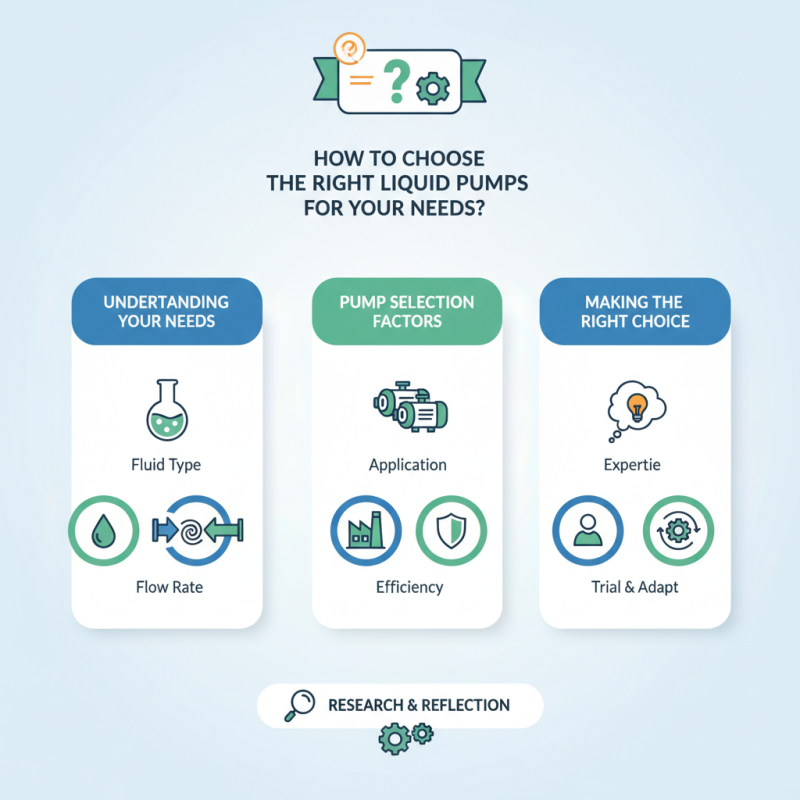
Before diving into the selection process, consider factors like fluid type, viscosity, and flow rate. Each liquid pump has unique features tailored for different applications. However, many users overlook these details, leading to inefficiencies. It's important to recognize that not all liquid pumps will perform optimally in every situation.
Choosing a reliable and efficient pump requires careful thought and research. Engaging with industry experts can provide insights that improve decision-making. Remember, the right choice may require trial and reflection. Not every liquid pump will suit your requirements perfectly, so be prepared to reassess your options as needed.
Understanding the Different Types of Liquid Pumps Available
Liquid pumps come in various types, each serving distinct purposes. Understanding these types can greatly influence your decision. Centrifugal pumps are common for liquid transfer and delivering high flow rates. They work efficiently with clear liquids but may struggle with viscous fluids. Positive displacement pumps, on the other hand, excel with thick liquids. These pumps trap a fixed amount of fluid and push it through the system.
Consider the application when selecting a pump. For instance, if you are dealing with clean water, a submersible pump is ideal. If you need to move sludge or slurry, a diaphragm pump might be more appropriate. Each pump type has its strengths and weaknesses. For instance, centrifugal pumps may cause cavitation in low-pressure situations.
Tips: Always check the pump's specifications. Look at the flow rate and pressure ratings. Ensure it matches your requirements. Regular maintenance is key. Neglect can lead to pump failure, causing costly downtime. Be thoughtful about your choices. Sometimes, a more complex pump can complicate simple tasks. Aim for efficiency and effectiveness.
How to Choose the Right Liquid Pumps for Your Needs?
| Pump Type |
Application |
Flow Rate (GPM) |
Max Pressure (PSI) |
Materials |
| Centrifugal Pump |
Water supply, irrigation |
5 - 500 |
10 - 150 |
Cast iron, stainless steel |
| Diaphragm Pump |
Chemical transfer, food processing |
0.1 - 200 |
30 - 100 |
PVC, PTFE, stainless steel |
| Gear Pump |
Oil transfer, viscous liquids |
0.5 - 150 |
20 - 250 |
Aluminum, stainless steel |
| Peristaltic Pump |
Pharmaceutical, sewage |
0.1 - 100 |
15 - 100 |
Silicone, rubber |
| Submersible Pump |
Dewatering, boreholes |
10 - 1000 |
30 - 200 |
Thermoplastic, stainless steel |
Key Factors to Consider When Choosing a Liquid Pump
Choosing the right liquid pump involves careful consideration of several key factors. Understanding the application is essential. According to the Hydraulic Institute, over 70% of pump failures stem from a mismatch between pump and application. This highlights the importance of clarity in your requirements.
Flow rate is another critical aspect. It refers to the volume of liquid a pump can handle within a specific time. A report from the American Society of Mechanical Engineers suggests that selecting a pump with the correct flow rate can improve efficiency by up to 30%. Undersizing can lead to inadequate performance, while oversizing often results in energy waste.
Finally, the liquid's characteristics play a significant role. Viscosity, temperature, and corrosiveness must be assessed. Data from the Transportation Industry Association indicate that selecting a pump capable of handling the specific liquid's properties can prevent frequent maintenance issues. Sometimes, it's necessary to reevaluate your choices when faced with unexpected operational challenges. Keeping informed about the latest pump technologies can aid in making more effective selections.
Assessing Performance Specifications of Liquid Pumps
When assessing the performance specifications of liquid pumps, understanding key metrics is vital. Flow rate, pressure, and efficiency define how well a pump operates. Flow rate, measured in gallons per minute (GPM) or liters per minute (LPM), indicates the volume of liquid it can move. According to the Hydraulic Institute, enhancing flow efficiency can lead to energy savings of up to 20%. This is crucial for industries where energy costs are significant.
Pressure ratings are equally important. They gauge the pump's ability to overcome system resistance. A pump with low pressure may not function effectively in higher resistance environments, leading to increased downtime. Furthermore, the efficiency of a pump affects operational costs. A 2021 report from the American Society of Mechanical Engineers highlighted that a poorly performing pump could waste over $25,000 a year in energy alone.
Choosing a pump isn't always straightforward. Users often base decisions on specifications alone, overlooking real-world applications. It's essential to evaluate actual system demands rather than just theoretical limits. Practical testing can expose flaws that specifications do not capture. This reflection encourages users to seek pumps that align with both their operational needs and long-term sustainability goals. Adjusting criteria based on specific circumstances can lead to better outcomes and reduced risks.
Performance Specifications of Liquid Pumps
This bar chart illustrates the performance specifications of liquid pumps. It includes metrics such as flow rate, maximum pressure, power consumption, and weight, which are essential factors to assess when selecting the right liquid pump for specific needs.
Maintenance and Reliability Considerations for Liquid Pumps
When selecting liquid pumps, maintenance and reliability are crucial. A recent industry report indicates that up to 30% of pump failures are due to improper maintenance. Regular inspections and timely repairs can significantly extend the lifespan of your pump. This not only prevents unexpected downtimes but also saves costs associated with replacements.
One key tip is to establish a regular maintenance schedule. Check seals, bearings, and motor conditions often. Analyzing pump performance data can also help predict potential issues before they escalate. Monitoring actual versus expected performance is essential. If discrepancies arise, investigate quickly to avoid larger issues down the road.
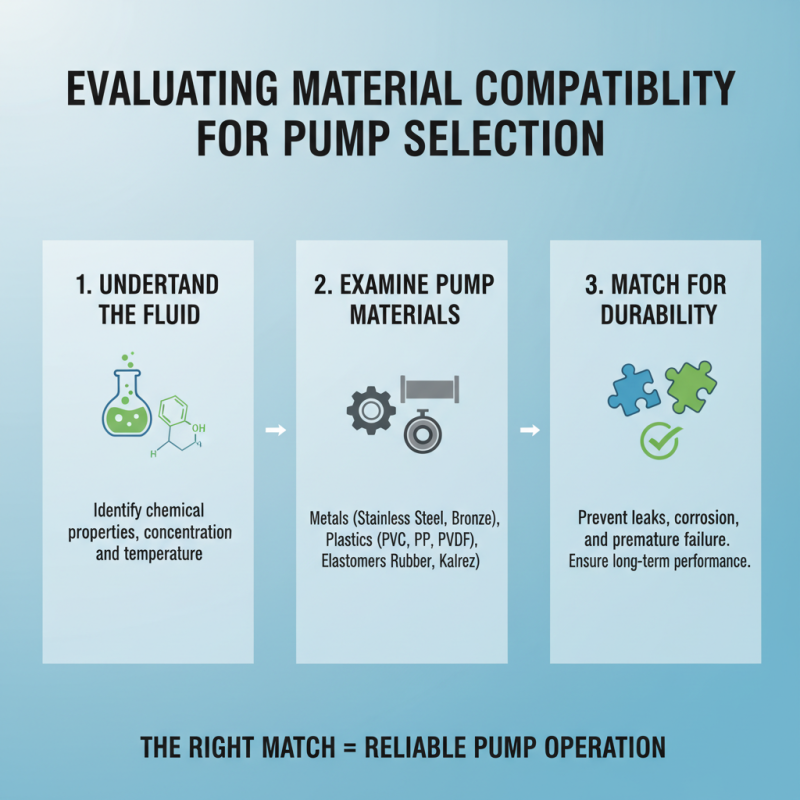
Consider the environment where the pump operates. For example, corrosive substances can wear out components quickly. Using appropriate materials is vital for reliability. It's also crucial to train staff on operational best practices. Teams that understand the equipment tend to perform better in maintenance tasks. Remember, investing time in training can yield significant long-term benefits.