Top Guide to Twin Screw Pumps for Global Buyers?
As the global demand for efficient fluid handling increases, the significance of twin screw pumps becomes ever more apparent. According to a recent market analysis by Grand View Research, the global twin screw pump market is projected to grow at a CAGR of 5.2% from 2023 to 2030. This growth reflects the rising adoption of these pumps in various industries, including oil and gas, food and beverage, and chemical processing.
Twin screw pumps are known for their exceptional efficiency and reliability. They can handle a variety of fluids, from viscous liquids to abrasive slurries. However, navigating the complexities of choosing the right twin screw pump requires expertise and understanding of specific application needs. Reports indicate that improper selection can lead to significant operational challenges, emphasizing the need for informed decision-making.
For global buyers, it is crucial to assess not just the technical specifications but also the long-term performance and maintenance requirements associated with twin screw pumps. The landscape is filled with options, and while advancements in technology promise improved outcomes, some existing challenges remain. Balancing innovation with reliability will determine the effectiveness of these pumps in the coming years.
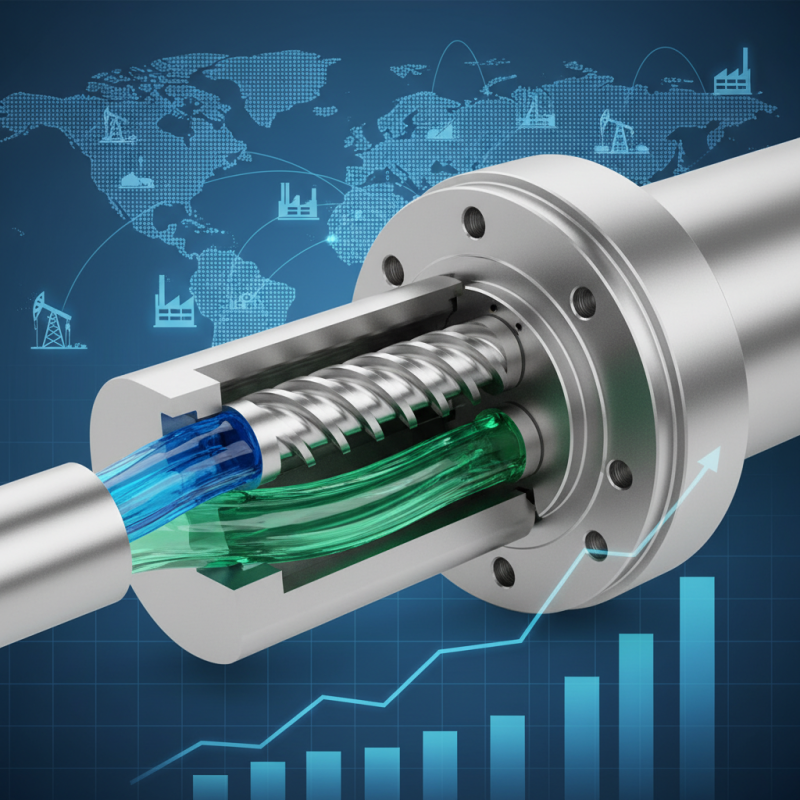
Understanding the Basics of Twin Screw Pumps and Their Applications
Twin screw pumps are essential in various industrial applications. They use two intermeshing screws to move fluids efficiently. This design helps them handle a wide range of viscosities. They excel in transferring liquids that are thick or shear-sensitive. Industries such as oil, chemicals, and food processing find them invaluable.
Understanding how twin screw pumps operate is crucial for buyers. They have no valves, which reduces the risk of clogging. This feature allows for smooth and continuous flow. Users appreciate their ability to maintain a consistent output pressure. Additionally, they are often more energy-efficient compared to other pump types. This can lead to cost savings over time.
However, prospective buyers should consider installation and maintenance needs. While these pumps are robust, they can require specialized care. Not all technicians may be familiar with their operation. Ensuring proper training and resources is vital. Overall, awareness of their applications and limitations will lead to better purchasing decisions.
Key Features and Benefits of Twin Screw Pumps for Buyers
Twin screw pumps are an essential choice for many industrial applications. They are known for their ability to handle various fluids with ease. These pumps feature two intermeshing screws that create a continuous flow. This design minimizes pulsation, offering a smooth operation. Additionally, they excel in transferring high-viscosity and shear-sensitive fluids.
One key benefit is the ability to operate at different speeds. This flexibility allows for better control over flow rates. Users can adjust the pump settings to meet their specific requirements. Another important feature is their self-priming capability. This makes them reliable, even in challenging environments. However, maintenance needs should be considered, as components can wear over time.
Cost-effectiveness is another advantage worth mentioning. Twin screw pumps often require less energy to operate than other pump types. This can lead to significant savings in energy costs. Though they may have higher initial expenses, the long-term efficiency can offset this. Potential buyers should weigh these factors carefully to ensure they make an informed decision.
Top Guide to Twin Screw Pumps for Global Buyers
| Feature |
Description |
Benefits |
| Self-priming |
Can start pumping without needing to be filled with liquid. |
Reduces installation complexity and enhances operational efficiency. |
| Gentle product handling |
Designed to minimize shear and damage to delicate fluids. |
Ideal for transporting sensitive fluids like emulsions and slurries. |
| High efficiency |
Optimized rotor design for effective fluid movement and reduced energy usage. |
Lower operational costs and higher throughput. |
| Versatile applications |
Can handle a wide variety of liquids with different viscosities. |
Suitable for multiple industries including oil & gas, food, and pharmaceuticals. |
| Compact design |
Space-saving configuration that is easy to install. |
Ideal for facilities with limited space for equipment. |
| Low maintenance |
Robust construction leads to lower wear and tear. |
Minimizes downtime and ensures operational reliability. |
Factors to Consider When Purchasing Twin Screw Pumps
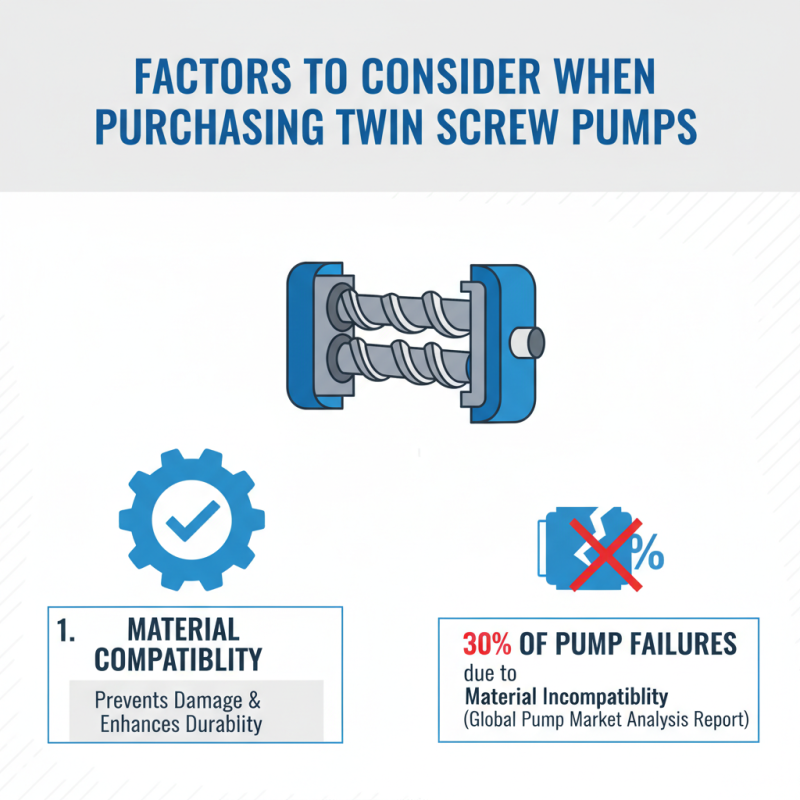
When purchasing twin screw pumps, several critical factors must be evaluated. First, consider the material compatibility. With a significant portion of industries relying on these pumps for fluid transfer, the right materials can prevent damage and enhance durability. A report from the Global Pump Market Analysis indicated that nearly 30% of pump failures stem from material incompatibility.
Another vital factor is the pump's flow rate and pressure capabilities. Depending on the application, a pump's efficiency can dramatically affect operational costs. For instance, the average energy consumption for pumps exceeds 20% of the total industrial energy use. Selecting the optimal flow rate ensures lower energy costs and improved system performance.
Maintenance needs also play a pivotal role. Understanding the frequency of maintenance can lead to better operational reliability. A study highlighted that nearly 40% of unscheduled downtime in facilities is attributed to maintenance issues. Evaluating factors such as ease of access for maintenance and availability of spare parts should not be overlooked. This awareness can help buyers make informed decisions that align with long-term operational goals.
Global Market Trends and Innovations in Twin Screw Pump Technology
The twin screw pump market is experiencing significant growth. According to a recent industry report, the global market for twin screw pumps is projected to reach $2 billion by 2025. This surge is driven by increasing demand in various sectors, including oil and gas, water treatment, and food processing. The pumps are praised for their efficiency in handling viscous fluids and their adaptability to different processes.
Innovations in twin screw pump technology are noteworthy. New materials and manufacturing techniques are enhancing their durability and performance. For instance, the use of advanced alloys is improving resistance to wear and corrosion. Additionally, manufacturers are integrating smart technology to monitor pump conditions in real-time. This integration allows for predictive maintenance, reducing downtime and service costs.
However, challenges remain. The initial investment for advanced twin screw pumps can be high for many businesses. This could deter smaller companies from adopting the technology. Furthermore, while the benefits are clear, there might be a lack of skilled personnel for maintenance and operation. Bridging this skills gap is crucial for maximizing the potential of these innovative pumps.
Maintenance and Operational Best Practices for Twin Screw Pumps
Twin screw pumps are vital in various industrial applications. Proper maintenance is key to ensuring their longevity and efficiency. Regular inspections should be a priority. Look for wear and tear on screws, seals, and bearings. These components can degrade over time and affect performance. Replacing worn parts promptly helps avoid costly downtimes.
Operational best practices involve monitoring the pump's pressure and temperature. Any significant deviation may indicate a problem. System vibrations should also be measured. Unusual vibrations often signal misalignment or imbalance, necessitating immediate attention. Moreover, using the correct lubricant is crucial. It reduces friction and enhances the pump's overall efficiency.
Training staff on these mechanical systems can help prevent issues. A knowledgeable team can identify problems early, thus minimizing disruptions. However, even with the best practices, unexpected failures can still occur. It's essential to maintain an open line of communication for troubleshooting. Reflecting on past incidents can lead to better strategies in the future.
Top Guide to Twin Screw Pumps - Operational Performance Metrics