Why Are Thermoelectric Generators Important for Sustainable Energy?
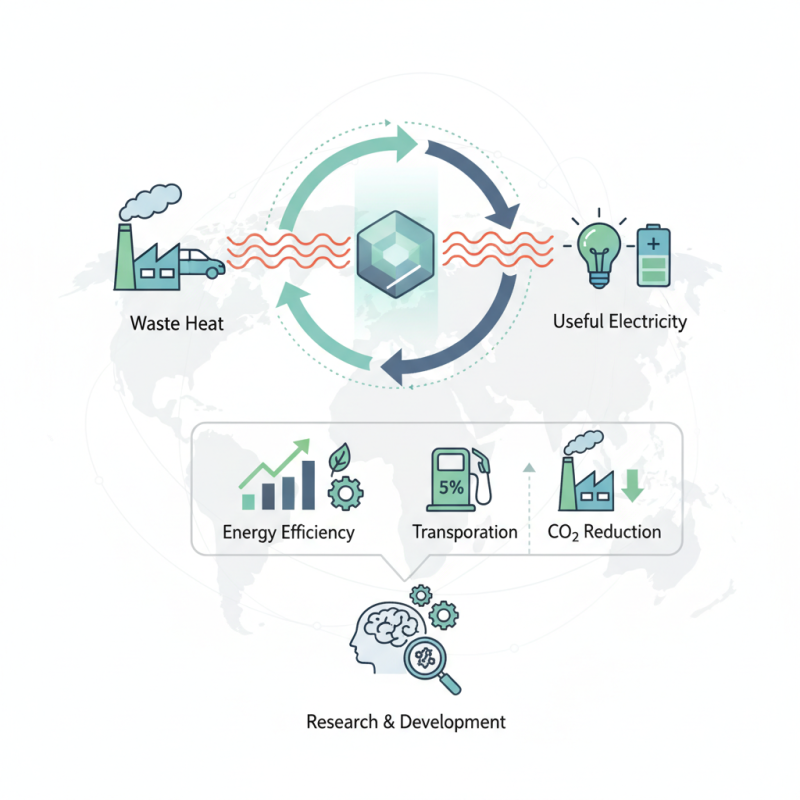
Thermoelectric Generators (TEGs) play a critical role in sustainable energy systems. These devices convert waste heat into useful electricity, offering an eco-friendly solution for energy optimization. According to the International Energy Agency (IEA), waste heat represents approximately 50% of total industrial energy consumption.
TEGs can harness this abundant resource to improve overall energy efficiency. In transportation, the U.S. Department of Energy reports that TEGs could enhance fuel economy by up to 5% in light-duty vehicles. Additionally, industries like manufacturing could significantly reduce operational costs while minimizing carbon footprints by integrating TEG technology.
However, challenges remain. The efficiency of current TEGs is still below 10% for most applications. Researchers are working diligently to improve materials and designs. As we move toward a sustainable future, the evolution of Thermoelectric Generators will be crucial for utilising waste heat effectively. This transformation requires collaboration between scientists, engineers, and policymakers to address technical constraints.
Understanding Thermoelectric Generators and Their Functionality
Thermoelectric generators (TEGs) are fascinating devices. They convert heat directly into electricity. This conversion is based on the Seebeck effect, where a temperature difference creates voltage. In practical terms, TEGs can harness waste heat from industrial processes, automotive engines, and even body heat.
The functionality of TEGs holds significant promise for sustainable energy solutions. For instance, they can utilize the excessive heat produced during manufacturing. This heat would otherwise be lost to the environment. Another remarkable application is in remote locations. TEGs can deliver power without needing access to traditional energy sources. This can empower sensors and devices in areas lacking reliable electricity.
However, challenges remain. The efficiency of TEGs is often limited. Improvements in materials and design are crucial. Current technologies often lead to high costs and variable performance. Researchers are continually exploring new materials. These efforts may unlock better efficiency and broader applications.
The Role of Thermoelectric Generators in Energy Conversion Efficiency
Thermoelectric generators (TEGs) are vital in enhancing energy conversion efficiency. They convert heat directly into electricity, a process often overlooked. The International Energy Agency reported that TEGs can improve efficiency in various applications, particularly in waste heat recovery. This technology captures heat energy that would otherwise be lost, leading to a significant reduction in energy wastage.
In many industrial processes, waste heat can account for up to 50% of total energy use. TEGs can reclaim this energy, transforming it into useful power. For instance, in automotive applications, integrating TEGs has shown potential to enhance fuel efficiency by more than 5%. However, the upfront costs and efficiency levels of current TEG materials pose challenges.
Research continues to explore improvements in thermoelectric materials. The current efficiency of typical TEGs hovers around 5-8%. This figure seems low compared to other energy conversion technologies. Yet, as materials science advances, the efficiency potential could improve significantly. Continuous innovation and investment are necessary to make TEGs a mainstream technology in sustainable energy solutions.
Advantages of Thermoelectric Generators for Sustainable Energy Solutions
Thermoelectric generators (TEGs) are gaining traction as efficient solutions for sustainable energy. These devices convert heat directly into electricity, utilizing temperature differences. This process has no moving parts, leading to lower maintenance costs. They work silently, making them suitable for various environments, from remote areas to urban settings.
One key advantage of TEGs is their versatility. They can harvest waste heat from industrial processes or even vehicle engines. This capability increases overall energy efficiency. Moreover, TEGs can be deployed in small-scale applications, like powering sensors in remote locations. They provide a reliable energy source where conventional methods fall short.
Tips for integrating TEGs into energy solutions include assessing the heat sources available in your environment. Consider potential applications where waste heat exists. Also, evaluate the economic feasibility against traditional methods. While TEGs offer many benefits, they are not a one-size-fits-all solution. Reflect on the specific needs of your project to find the best fit.
Applications of Thermoelectric Generators in Renewable Energy Systems
Thermoelectric generators (TEGs) play a crucial role in renewable energy systems. They convert heat directly into electricity, utilizing temperature gradients. This nifty capability makes them ideal for various applications, especially where waste heat is abundant. Industrial processes often emit excess heat. TEGs can capture this energy and transform it into usable power, promoting efficiency.
In off-grid renewable setups, TEGs harness waste heat from solar panels and industrial equipment. Imagine a factory that produces heat during operations; this heat can be repurposed to generate electricity. In remote locations, these generators reduce reliance on fossil fuels. The technology is still advancing, creating opportunities for further exploration. The integration of TEGs in electric vehicles is another intriguing area. When a car is in motion, it generates heat. Using TEGs, this heat can charge the battery, enhancing efficiency.
While TEGs show promise, challenges remain. Materials used in TEGs are critical for performance and cost-efficiency. As research continues, new and more effective materials are discovered. Environmental impacts of sourcing these materials must also be addressed. As we advance in this field, it is vital to reflect on both potential and limitations of TEGs in sustainable energy systems. The innovation landscape is promising, yet vigilance over materials and implementation remains key.
Applications of Thermoelectric Generators in Renewable Energy Systems
This bar chart represents the various applications of thermoelectric generators (TEGs) in renewable energy systems, highlighting their potential contributions to sustainable energy. The data showcases the estimated efficiency and power output of TEGs across different applications.
Future Developments and Challenges in Thermoelectric Generator Technology
Thermoelectric generators (TEGs) are gaining attention as a clean energy solution. According to a report by the International Energy Agency, the global market for thermoelectric materials could reach $1.9 billion by 2025. This growth is fueled by increasing energy demands and the need for sustainable options.
The future of TEG technology faces several challenges. Efficiency remains a significant barrier. Current TEGs convert only 5-8% of heat into electricity, lower than many conventional technologies. Researchers are exploring advanced materials to enhance performance. Some studies suggest new semiconductor alloys could improve efficiency by up to 15%. This shift could unlock greater applications for TEGs.
Another hurdle is cost. Manufacturing high-efficiency thermoelectric materials is still expensive. A report by the U.S. Department of Energy noted that cost-effective production methods are essential for widespread adoption. Innovative approaches, like additive manufacturing, show promise. However, they require further exploration and validation to ensure scalability in real-world applications.
Why Are Thermoelectric Generators Important for Sustainable Energy? - Future Developments and Challenges in Thermoelectric Generator Technology
| Dimension | Data Point |
| Efficiency of Thermoelectric Generators | 5-10% (current technology) |
| Typical Operating Temperature Range | 200°C to 600°C |
| Materials Used | Bismuth Telluride, Lead Telluride, Silicon-Germanium |
| Potential Applications | Waste Heat Recovery, Remote Power Generation, Spacecraft Power Supply |
| Cost per Watt | $2 to $5 |
| Key Challenges | Material Efficiency, High Costs, Limited Temperature Range |
| Future Developments | Advancements in Materials, Improved Designs, Enhanced Integration with Renewable Energy |
