What is a Lube Pump and How Does It Work?
In the realm of industrial machinery, the lube pump plays a crucial role. It is essential for maintaining the operational efficiency of equipment. According to a market research report from Grand View Research, the global lubricants market is projected to reach over $140 billion by 2026. This immense demand underscores the importance of reliable lubrication systems.
A lube pump ensures that machinery receives the needed oil distribution. Its failure can lead to significant downtime and costly repairs. A study by the Society of Tribologists and Lubrication Engineers found that properly lubricated equipment can last up to 30% longer. However, the intricacies of lube pumps are often overlooked. Many users may not fully grasp their importance or functionality.
These pumps vary in design, but their primary goal remains the same. They maintain optimal operating conditions, reduce wear, and lower friction. Even experienced operators may find themselves questioning their lube pump choices. It’s essential to understand the specifications and features. Without this knowledge, inefficiencies can arise, ultimately damaging equipment over time.
What is a Lube Pump?
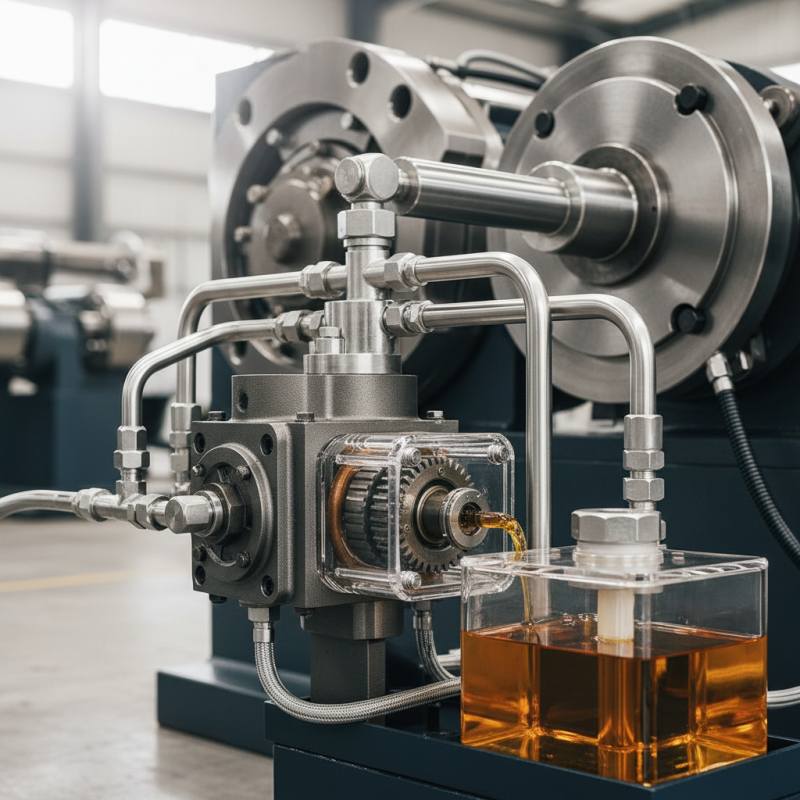
A lube pump is essential in various machinery, ensuring optimal operation. It delivers a continuous flow of lubricant to components, reducing friction and wear. Many industries rely on lube pumps for their longevity and efficiency. A report by the Machinery Lubrication Institute states that proper lubrication can enhance equipment life by up to 50%.
These pumps can be electric or pneumatic. Each type has its advantages depending on the application. For instance, electric pumps provide precision, while pneumatic options are often more portable. However, both require careful maintenance. Insufficient lubrication can lead to catastrophic failures. Regular monitoring is vital for identifying potential issues early.
Data shows that over 30% of mechanical failures stem from inadequate lubrication practices. This highlights a common oversight in maintenance protocols. Many technicians underestimate the importance of lube pumps. Oftentimes, preventive measures are ignored. Subsequently, equipment downtime can result in significant financial loss. This emphasizes the need for improved awareness and understanding of lubrication systems in the industry.
Types of Lube Pumps and Their Applications
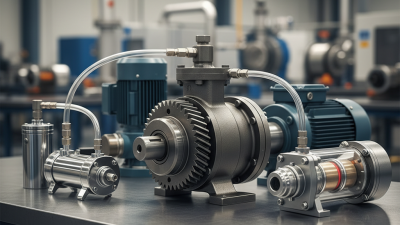
Lube pumps play a critical role in various industries, ensuring machinery operates smoothly. There are several types of lube pumps, each suited for specific applications.
Positive displacement pumps, for instance, are praised for their reliability and constant flow rate.
These pumps are common in automotive systems and heavy machinery, where consistent lubrication is vital. Research indicates that proper lubrication can improve equipment lifespan by up to 30%.
Another popular type is centrifugal pumps, which are favored for their ability to handle high flow rates.
They are frequently used in applications like cooling systems and hydraulic systems. However, they may not be the best choice for thicker lubricants.
In these cases, specialized gear pumps might be required. Each type of pump has its strengths but also presents challenges.
For example, while a gear pump can deliver high pressures, it may not be suitable for all types of fluids.
Understanding the distinctions between these pumps is crucial. Inaccurate pump selection can lead to system failures or increased maintenance costs.
Industry studies suggest that improper lubrication is responsible for nearly 40% of equipment breakdowns.
Awareness of these factors can significantly impact operational efficiency and equipment reliability.
How Does a Lube Pump Work?
A lube pump is essential in many machines. It circulates lubricants to reduce friction and wear. Proper lubrication means smoother operation and longer equipment life. But how does it work?
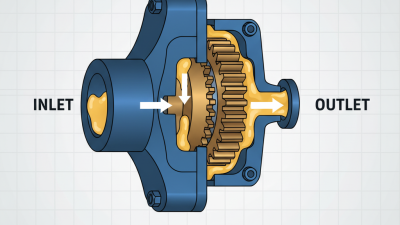
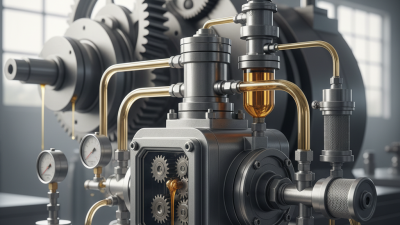
The lube pump operates by drawing lubricants from a reservoir. The pump pushes the lubricant through various channels to critical components. These components include bearings, gears, and hydraulic systems. A proper flow rate is vital. Too little lubrication can lead to overheating. Too much can cause leaks or pressure buildup.
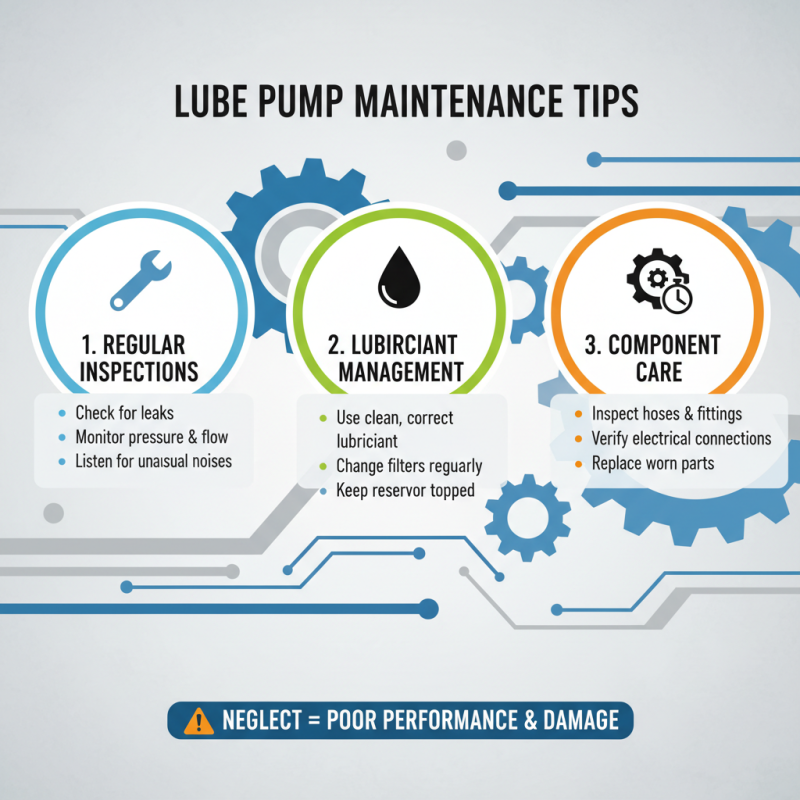
Tips: Regularly check lubricant levels. Replace filters to maintain efficiency. Monitor pump performance for early signs of failure.
Some systems use automated controls for lubrication timing. These can enhance efficiency but may also introduce complexities. It's crucial to understand the system's specific needs. Not every pump is suited for every application. Matching the lube pump to your equipment is key for optimal performance. Always refer to the operating manual for guidance. This ensures you take the right steps.
What is a Lube Pump and How Does It Work?
| Component |
Function |
Type |
Applications |
| Pump Body |
Houses the internal components |
Centrifugal, Gear, Diaphragm |
Manufacturing Equipment |
| Motor |
Drives the pump mechanism |
Electric |
Automotive, Marine |
| Reservoir |
Stores lubricant before it is pumped |
Fixed, Portable |
Industrial Machines |
| Filter |
Removes contaminants from lubricant |
Inline, Cartridge |
HVAC Systems |
| Control Valve |
Regulates flow and pressure of lubricant |
Solenoid, Manual |
Automated Systems |
Key Components of a Lube Pump
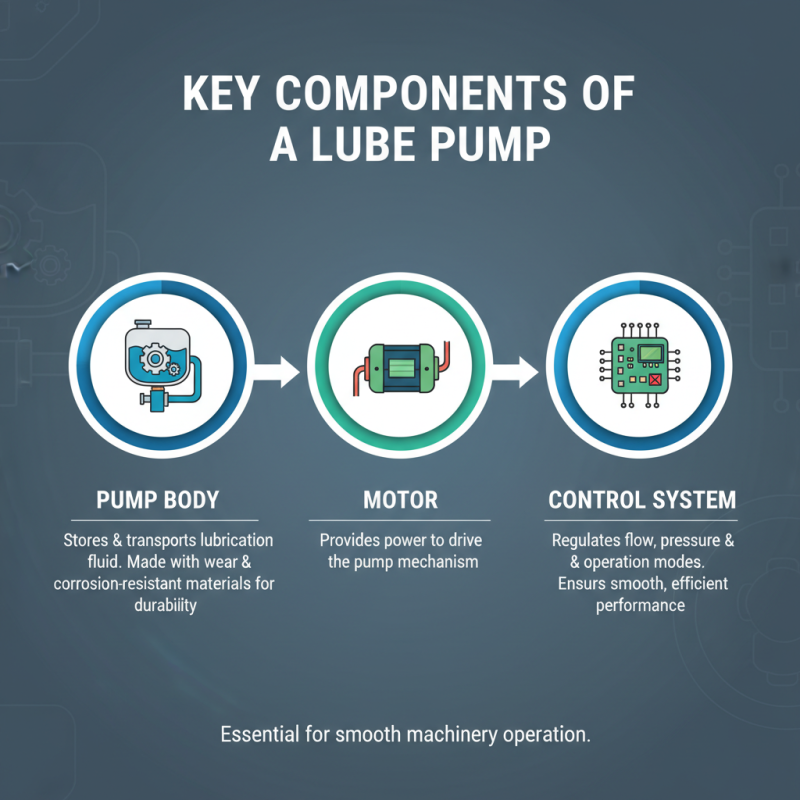
A lube pump is essential for ensuring the smooth operation of machinery. Its key components include the pump body, motor, and control system. The pump body is where the lubrication fluid is stored and transported. It often incorporates advanced materials to resist wear and corrosion, enhancing durability.
The motor powers the pump, generating the necessary pressure to circulate lubricant. Typically, electric motors are used, but pneumatic options are available too. The choice of motor impacts the pump’s efficiency and response speed. Control systems manage the flow and pressure of the lubricant. They ensure that the right amount of lubrication reaches each part of the machinery.
Improper maintenance can lead to issues, like inadequate lubrication or pump failure. Regular checks on the pump body for leaks or wear are important. Monitoring the motor’s performance can prevent unexpected downtime. Understanding these components helps operators address problems more effectively and improve machinery longevity. Recognizing potential shortcomings in the lube system allows for proactive adjustments.
Maintenance Tips for Lube Pumps
Lube pumps play a crucial role in machinery by ensuring proper lubrication. Regular maintenance is essential to keep them functioning efficiently. Without it, problems may arise, impacting performance.
One important tip is to check the oil levels frequently. Insufficient oil can lead to excessive wear on components. A simple visual inspection goes a long way in identifying potential issues. Keep an eye on any leaks, as they can signal problems that need immediate attention. Tracking changes in oil color or consistency also helps in detecting contamination.
Another tip involves cleaning the filters regularly. Dirty filters can restrict oil flow, which affects lubrication. Follow recommended procedures for filter cleaning or replacement to maintain optimal performance. Don't overlook this essential task; it can save you from costly repairs down the line. Remember, routine checks can often reveal minor issues before they escalate. Taking these steps can ensure your lube pump operates smoothly and extends its lifespan.