
China Top Mahjong Table Cover Manufacturers for Global Buyers
Choosing a China-based Mahjong Table Cover manufacturer involves more than comparing prices. Global buyers need to assess materials, stitching, dimensions, customization options, and communication before placing an order. A cover may look smooth in a product photo yet fit poorly around a table’s edges. Small details matter.
Useful supplier checks include requesting material specifications, clear product photos, and a physical sample when practical. Ask how the factory handles color matching, logo placement, packaging, and changes between sample approval and bulk production. For export orders, confirm carton dimensions, lead times, and shipping terms in writing. These details help buyers compare offers on a consistent basis. They also make quality discussions more concrete.
There is no single best manufacturer for every buyer. A venue ordering hundreds of covers may value stable production capacity, while a smaller distributor may need flexible minimum quantities. The right fit depends on the intended market, budget, and required finish. Be cautious of vague answers. A polished catalog alone is not proof of reliable production, and online claims can be difficult to verify. Ask direct questions, review samples closely, and keep written records. Even then, some risk remains. That deserves attention. A careful comparison of China’s Mahjong Table Cover manufacturers can help global buyers make a more informed sourcing decision.
Understanding Mahjong Table Covers and Their Global Uses
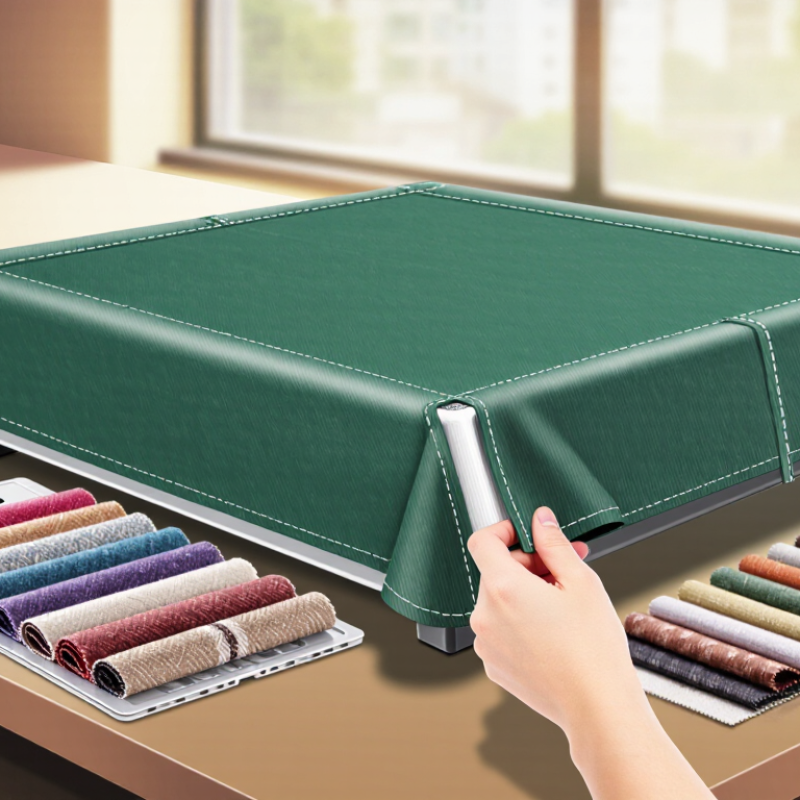
Mahjong table covers protect the playing surface from scratches, drink rings, and tile noise. They also help tiles glide evenly across the table. Common options include felt, microfiber, and coated fabrics, each with different trade-offs in grip, cleaning, and storage. A cover for a home table may prioritize softness, while clubs and hospitality venues often need durable fabric that wipes clean. Fit matters: loose edges can catch tiles, and a cover that is too small leaves corners exposed. Small details count.
Global interest in tabletop play provides useful context, though it does not measure cover sales directly. Grand View Research estimated the global board games market at 12.82 billion US dollars in 2023 and projected 4.7% annual growth from 2024 to 2030. Mahjong covers serve varied settings, from family rooms to game halls, so buyers should check table dimensions, backing grip, seam strength, and packing requirements before ordering. Materials can look similar in photos but behave differently after repeated cleaning. That is not always simple. Ask for clear specifications and sample testing where practical; published market figures cannot replace hands-on checks.
China Top Mahjong Table Cover Manufacturers for Global Buyers - Understanding Mahjong Table Covers and Their Global Uses
| Cover Type or Feature | Typical Materials | Practical Characteristics | Common Use | Buyer Considerations |
|---|---|---|---|---|
| Water-resistant surface cover | PVC-coated fabric, vinyl, or other coated textiles | The coated surface can be wiped clean and helps protect the table from spills. Water resistance depends on the material, seams, and construction. | Family rooms, community halls, and venues where tables are used frequently. | Confirm the coating, cleaning instructions, odor requirements, and whether the cover is intended for indoor use. |
| Soft playing-surface cover | Polyester fabric, felt, or fabric bonded to a backing | A textile surface can provide a softer feel and help reduce noise from tiles moving across the table. | Home play, clubs, and settings where a quieter playing surface is preferred. | Ask about fabric weight, surface texture, edge finishing, and whether the cover can be washed or spot-cleaned. |
| Non-slip backing | Rubber, silicone-patterned material, or textured backing fabric | Backing designed to increase friction can help limit shifting on a tabletop. Performance varies with the table finish and backing design. | Portable covers used on smooth tables or during repeated setup and removal. | Check compatibility with the table surface and verify that the backing will not leave marks or residue. |
| Padded cover | Foam or another cushioning layer between face fabric and backing | Padding adds cushioning and can soften contact between tiles and the table. It also makes a cover bulkier than a single-layer sheet. | Home game rooms and venues seeking a more cushioned playing surface. | Confirm thickness, edge construction, storage requirements, and whether padding affects fit around table accessories. |
| Elastic-edge fitted cover | Stretch fabric or a cover with elastic sewn into the edge | An elasticized edge can help hold a cover around a table perimeter, but fit depends on the table dimensions and corner shape. | Tables that need a cover to stay in place during regular play or storage. | Provide the tabletop length, width, thickness, and corner details before ordering. |
| Loose-laid rectangular cover | Woven or coated fabric, with or without a backing layer | A simple rectangular cover is easy to fold and store. It may shift more readily than a fitted design. | Temporary setups, multipurpose tables, and events where fast removal is useful. | Check overhang dimensions, table-top coverage, and whether clips or another securing method are needed. |
| Custom-sized cover | Material selected to suit the intended surface and construction | Made to specified measurements rather than a standard size; the final fit depends on accurate measurements and agreed tolerances. | Non-standard tables, built-in tables, and venues with several table sizes. | Share a measurement drawing and confirm finished dimensions, edge style, material, and sample approval requirements. |
| Care and storage | Depends on the selected face fabric, coating, and backing | Cleaning methods differ by material. Covers should be stored dry and according to the supplier's care instructions. | All settings, especially shared venues with frequent use. | Request written cleaning guidance and confirm whether the cover is machine-washable, wipe-clean, or spot-clean only. |
| Global sourcing and shipping | Product construction and packing configuration vary by order | Folded textile covers are generally easier to pack than bulky padded products; shipping volume depends on dimensions and packaging. | International wholesale orders and multi-location supply programs. | Confirm product specifications, packaging, sample approval, lead time, shipping terms, and applicable import requirements before purchase. |