China Top 10 Displacement Pump Manufacturers
China has become an important source of industrial pumping equipment, with manufacturers serving sectors such as water treatment, chemicals, food processing, and energy. This guide introduces ten Chinese displacement pump manufacturers and outlines the products, capabilities, and application areas buyers may encounter. The goal is not to declare one company universally best. A pump suited to a viscous syrup may be a poor choice for abrasive slurry.
Displacement pumps move fluid by trapping and transferring a defined volume. Common designs include gear, screw, diaphragm, and progressive cavity pumps. Each handles flow, pressure, viscosity, and solids differently. Even a small mismatch can cause excessive wear, unstable output, or difficult maintenance. Ask about material compatibility, seal options, operating limits, spare parts, and service support. Request relevant test records and technical documents, then compare them against your actual process conditions. A polished catalogue is useful, but it is not proof of long-term reliability.
The manufacturers featured here can help readers build a practical shortlist. Company size and product range matter, but so do communication, manufacturing consistency, and after-sales support. Details may change, and published specifications do not replace independent verification. That distinction is easy to miss. Use this overview as a starting point, not a final purchasing decision, and confirm critical claims directly with each supplier before selecting displacement pumps for a plant or project.
What Displacement Pumps Are and How They Work
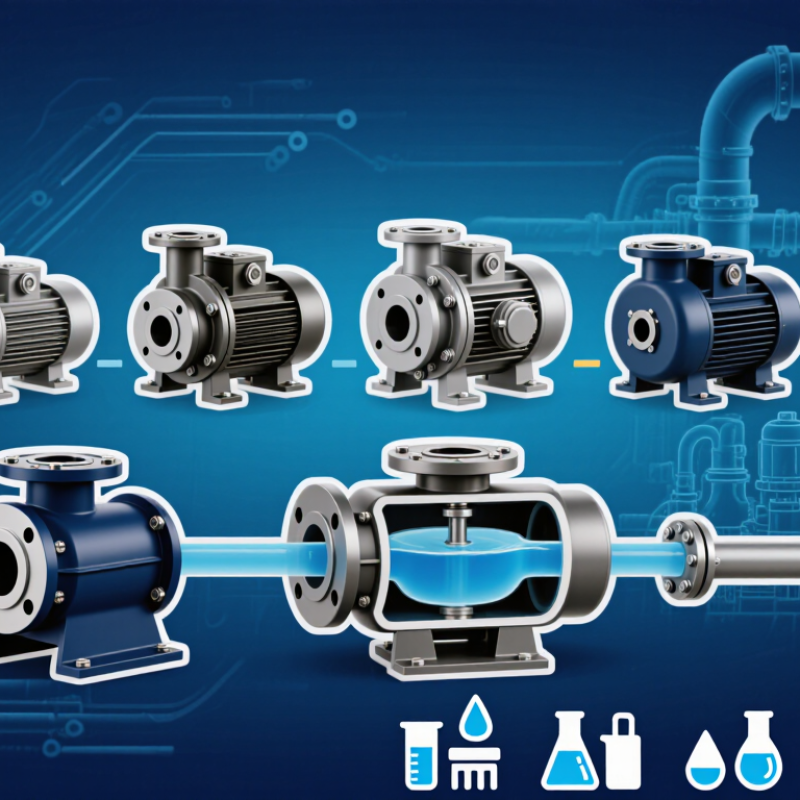
A displacement pump moves fluid by trapping a set volume and forcing it from the inlet to the outlet. Think of a gear pump: rotating teeth carry oil through a narrow casing, while a piston pump uses a reciprocating stroke. The delivered volume is tied closely to shaft speed, though leakage, fluid viscosity, and wear affect actual output. That detail matters. A pump does not simply “make” pressure; pressure rises when the system resists the flow.
This operating principle suits many dosing, lubrication, and high-viscosity duties. But a blocked discharge line can create dangerous pressure quickly, so suitable pressure relief and monitoring are essential. The U.S. Department of Energy’s Improving Pumping System Performance: A Sourcebook for Industry reports that pumping systems use nearly 20% of global electricity demand, and 25–50% of energy in some industrial operations. Those figures cover pumping systems broadly, not displacement pumps alone. Still, they underline why matching pump size and operating speed matters. A pressure gauge may look steady, yet small changes in fluid temperature can alter viscosity and flow. Real installations are not always tidy. Sizing deserves a second look.
China’s Displacement Pump Industry: How Pump Speed Affects Flow
A displacement pump moves a fixed volume of fluid with each revolution. This illustrative calculation uses a displacement of 100 cm³ per revolution and 90% volumetric efficiency. Flow rate is estimated as displacement × rotational speed × volumetric efficiency; actual output varies with pump design, fluid, pressure, and operating conditions.
China’s Displacement Pump Industry and Its Main Segments
China’s displacement pump industry serves a broad mix of water, chemical, energy, and manufacturing operations. The Ministry of Water Resources’ China Water Resources Bulletin 2023 records national water use at 590.7 billion cubic metres. That scale supports demand for controlled transfer, dosing, and sludge handling. The China Petroleum and Chemical Industry Federation reported 15.95 trillion yuan in petroleum and chemical industry operating revenue for 2023, another major application base. These figures describe customer sectors, not displacement-pump sales. That distinction matters.
The main segments are rotary and reciprocating pumps. Rotary designs, including gear, screw, and vane types, suit steady flows and viscous fluids; they appear in lubrication, fuel transfer, and process lines. Reciprocating piston, plunger, and diaphragm pumps deliver measured volumes, making them useful for chemical dosing and high-pressure service. Small details matter: seal compatibility, particle size, temperature, and pulsation can change performance at the installation site. A specification sheet cannot capture every operating condition. Selection often depends on fluid tests and maintenance records, not headline flow alone. The market is not one uniform category; a wastewater duty differs sharply from a clean-fluid dosing line.
Criteria for Comparing Chinese Displacement Pump Manufacturers
Comparing Chinese displacement pump manufacturers starts with the duty, not the brochure. Record the fluid, viscosity, temperature, solids, required flow, and operating pressure before requesting quotes. A pump tested with clean water may behave differently with a thick, abrasive process fluid. Ask how performance changes across the operating range, not just at one duty point. Numbers need context.
Review wetted-part materials, seal options, shaft design, and allowable temperature against the actual application. Request a performance curve, efficiency data, pressure-test records, and the stated measurement conditions. Ask for evidence. Check whether inspection reports identify the tested unit and include calibration dates. Small details matter: vague tolerances or an unclear test basis can complicate commissioning. Independent verification helps when claims seem unusually strong.
Compare lifecycle support as carefully as purchase price. Confirm spare-part lead times, service response, documentation, and whether technicians can explain failure analysis. Factory capacity matters, but so do traceability, consistent assembly, and repeatable final testing. Speak with users handling similar fluids, while recognizing that one installation cannot predict every result. Rankings can help create a shortlist, yet they rarely capture every operating constraint. I would keep a small uncertainty column in the comparison sheet.
Profiles of Ten Leading Displacement Pump Manufacturers in China
China’s displacement-pump manufacturers serve industries with very different flow, pressure, and material requirements. These ten profiles are best read as a practical comparison, not a verified ranking. One manufacturer may focus on precision metering for chemical dosing. Another may engineer heavy-duty pumps for abrasive slurry. A third may specialize in high-pressure process equipment. Other common strengths include water treatment, food-grade transfer, mining, and oil-field applications. Some manufacturers emphasize custom engineering, while others focus on standard models and shorter lead times. Export support and spare-parts availability also vary. Check each company’s published specifications and request evidence before drawing conclusions.
When comparing suppliers, look beyond maximum flow figures. Ask about continuous-duty limits, seal materials, motor options, and performance with your actual liquid. Request a curve for the proposed operating point. A capable supplier should explain operating limits clearly, though documentation can still leave practical questions unanswered. That gap deserves attention.
Tips: Share liquid viscosity, temperature, solids content, and required flow before requesting a quotation. Confirm installation dimensions and replacement-part lead times. If possible, discuss a trial or reference application. Small details matter.
Key Applications, Standards, and Purchasing Considerations
For buyers comparing China’s top displacement pump manufacturers, begin with the actual duty, not the catalog’s maximum flow. These pumps suit viscous oils, syrups, polymers, and some slurries where steady, measured delivery matters. Check fluid viscosity across the full temperature range, required flow, pressure, and the presence of abrasive solids. A pump that handles cold syrup may struggle after the process warms. Details matter.
Standards help define expectations, but applicability depends on pump type and service. For rotary positive-displacement pumps in industrial applications, API 676 may be relevant; confirm the project specification with a qualified engineer. Review pressure ratings, materials, sealing arrangements, inspection records, and test procedures. Ask whether performance data reflects your fluid or only water. That difference is easy to overlook. Install a correctly sized pressure-relief path, since closing a discharge valve can rapidly raise pressure.
Purchasing decisions should also account for maintenance access, spare-part availability, motor compatibility, and local service support. Request curves or test results at the intended viscosity and operating speed. Check whether wetted materials resist the fluid and cleaning chemicals, especially in food or chemical processes. Compare total operating costs, not just purchase price. Still, supplier documents can look reassuring while leaving real operating conditions vague; clarify assumptions in writing before ordering.