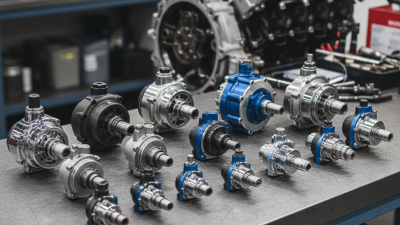
Top Lube Pump Manufacturers for Global Buyers?
Selecting the right lube pump manufacturer is rarely a simple price comparison. Buyers must examine flow accuracy, pressure stability, material compatibility, and after-sales support. A pump that looks efficient on paper may struggle beside a dusty conveyor or a cold storage tank.
Industry reports show why this category deserves closer attention. MarketsandMarkets’ Lubrication Systems Market analysis identifies automation, predictive maintenance, and industrial equipment growth as major demand drivers. Grand View Research also reports continued expansion in the global industrial lubricants market, supported by manufacturing, construction, transportation, and energy applications. These trends increase demand for dependable lube pump systems, especially where manual lubrication creates downtime or inconsistent coverage.
The leading manufacturers usually provide more than pumps. They offer metering units, controllers, reservoirs, monitoring tools, replacement parts, and technical training. SKF, Graco, Lincoln Industrial, DropsA, Bijur Delimon, and SAMOA are frequently considered by international buyers because of their established engineering capabilities and distribution networks. However, reputation alone is not enough. Product fit matters more.
Check the pump’s viscosity range. Confirm its duty cycle. Review certifications and local service coverage. Ask for field references using similar grease, oil, temperature, and pressure conditions. The ISO 6743 lubricant classification can also help buyers communicate fluid requirements more precisely.
No ranking is universally correct. A compact electric pump may suit a packaging line, while a pneumatic system may perform better in a harsh workshop. This guide compares leading lube pump manufacturers through technical experience, product depth, reliability, service reach, and practical buyer value. The evaluation is useful, but not flawless. Real operating conditions should have the final word.
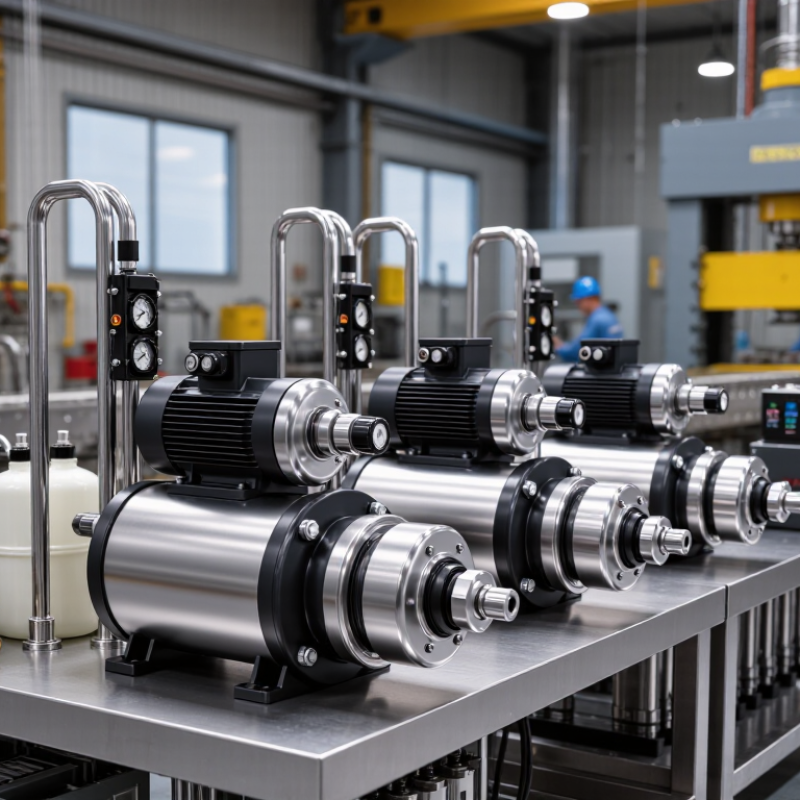
What Is a Lube Pump and Where Is It Used?
Top Lube Pump Manufacturers for Global Buyers?
What Is a Lube Pump and Where Is It Used?
A lube pump moves oil or grease from a reservoir to parts that need steady lubrication. It supports bearings, gears, chains, slides, and other moving surfaces. Unlike a simple container, it controls delivery through pressure, flow, or timed cycles. It is not a filter.
Common designs include manual, electric, pneumatic, and hydraulic pumps. Automatic systems often connect the pump to metering devices and distribution lines. This arrangement can deliver small amounts of lubricant while equipment operates, reducing dry contact and excessive grease. The correct pump must match lubricant thickness, temperature, pressure, and required flow.
Lube pumps appear in machine tools, conveyors, compressors, agricultural equipment, construction machinery, and industrial production lines. They also serve fleet maintenance and selected food-processing equipment when compatible, approved lubricants are required. In dusty workshops, sealed reservoirs and protected fittings matter. A small leak can attract abrasive dust.
Global buyers should inspect materials, seals, operating ranges, spare parts, and technical documentation before purchasing. Field checks should include unusual noise, pressure loss, blocked lines, and rising bearing temperature. A pump may be blamed too quickly; the real problem could be hardened grease or poor installation. I would verify the lubricant first. A powerful pump is not always better, because excess grease can overheat a bearing and waste energy. Manufacturers with clear testing records and responsive service are usually safer choices for long-term maintenance.
Key Types of Lube Pumps for Industrial Applications
Industrial lube pumps differ in pressure, flow, lubricant compatibility, and control method. Choosing the right type protects bearings, chains, gears, and seals from premature wear.
Gear pumps provide steady flow for automatic lubrication systems. They suit oils and softer greases in moderate-pressure applications. However, cold grease can increase motor load and reduce delivery accuracy.
Piston pumps create higher pressure and handle thicker lubricants effectively. They work well with long distribution lines and multiple lubrication points. Pressure matters most.
Pneumatic versions are useful where compressed air already exists, while electric versions support programmable, consistent dosing.
Progressive cavity pumps offer smooth delivery and reduced pulsation. They can serve systems needing accurate grease transfer at controlled speeds.
Diaphragm pumps are practical for intermittent service and difficult installation areas. Their flexible operation helps when power access is limited.
Maintenance teams should inspect seals, inlet filters, pressure relief devices, and hose connections regularly. Small leaks often become expensive failures.
Industrial buyers should compare pump materials, temperature ratings, duty cycles, spare-part access, and testing records. A capable manufacturer should provide flow curves, installation guidance, and traceable quality documents.
Do not select by pressure alone.
Real conditions can expose weak assumptions, especially when lubricant viscosity changes seasonally. No selection is perfect. Field feedback should guide the final decision.
How to Evaluate Leading Global Lube Pump Manufacturers
Evaluating leading global lube pump manufacturers requires more than comparing prices. Start with application evidence: lubricant viscosity, ambient temperature, delivery volume, pressure stability, and duty cycle. A pump designed for light oil may struggle with high-viscosity grease. Ask for flow curves measured under your actual conditions, not only catalogue ratings. Small details matter.
The U.S. Department of Energy’s Operations & Maintenance Best Practices Guidebook estimates maintenance can represent 15–40% of industrial operating costs. This makes reliability a financial issue, not merely a mechanical one. Examine mean time between failures, seal life, motor efficiency, spare-part availability, and service response times. Request test records, material certificates, and documented factory quality procedures. ISO 9001 certification supports process control, but it does not guarantee excellent pump performance. That distinction is often missed.
Global buyers should also check compatibility with local voltage, connection standards, safety requirements, and lubricant handling rules. Manufacturers with practical field experience should explain installation, priming, filtration, and pressure relief clearly. Independent performance testing adds credibility. So does a transparent warranty.
Do not trust impressive claims too quickly. I would compare at least three suppliers using the same specification sheet and total-cost model. Include energy use, planned maintenance, downtime risk, and shipping delays. A cheaper pump may become expensive after one failed seal. Yet, even a premium unit can disappoint when the lubricant, piping, or control settings are wrong. The evaluation should examine the whole lubrication system, not the pump alone.
Important Factors for Comparing Quality, Price, and Support
Choosing a lube pump manufacturer requires more than comparing catalog prices. Quality begins with material selection, machining accuracy, and reliable sealing. Ask about pump flow consistency under cold starts and long operating cycles. A useful supplier should provide test records, dimensional data, and clear maintenance instructions.
Price needs careful interpretation. A low quote may exclude fittings, controls, packaging, or replacement parts. Compare the total ownership cost over three to five years. Check energy use, expected service life, warranty coverage, and delivery stability. I have found that a slightly higher purchase price can reduce downtime, but this is not automatic. Request samples or arrange a controlled factory inspection when possible. Some test results may also reflect ideal conditions, not your real equipment.
Tips: Compare identical specifications, not just pump models. Confirm viscosity ranges, pressure limits, inlet sizes, and electrical requirements. Ask how quickly technical staff answer installation questions. Support should include troubleshooting guides, spare-part availability, and practical training. A dependable manufacturer explains failures honestly and records corrective actions. However, supplier promises still need verification through references, inspection reports, and small trial orders. Do not ignore communication quality; unclear answers often become expensive problems after delivery.
Top Lube Pump Manufacturers for Global Buyers
Important factors for comparing quality, price, and support
This practical buyer scorecard gives the greatest weight to pump quality and operating reliability, followed by total purchase cost and technical support. Delivery performance and compliance remain essential for reducing installation, maintenance, and import risks in global sourcing.
How Global Buyers Can Choose the Right Lube Pump Supplier
Choosing the right lube pump supplier requires more than comparing unit prices.
A 2024 industrial lubricants market report projects steady growth through 2030, driven by factory automation and longer equipment cycles. That growth increases pressure on suppliers to provide dependable metering, documentation, and technical support.
Ask for verified flow accuracy, pressure curves, material compatibility, and test records.
Do not accept vague claims.
A pump may look suitable on a quotation sheet. Field conditions can disagree.
Check whether it can handle your lubricant’s viscosity at the lowest site temperature. Confirm inlet size, seal materials, duty cycle, and container connection. For a 200-liter drum, inspect suction depth and air-entry protection.
The U.S. Department of Energy’s Operations & Maintenance Best Practices Guidebook links effective maintenance practices with improved equipment reliability and lower operating costs.
Supplier support directly affects those results.
Request a sample installation drawing and a preventive-maintenance schedule. According to ISO 14224 principles, consistent equipment and failure data improve reliability decisions, so the supplier should provide traceable model numbers and service records.
Ask about spare-parts availability for at least five years.
Also, test response time before signing; a technically strong supplier may still fail during a weekend shutdown.
I would compare three suppliers using the same checklist, though this method is not perfect.
Local lubricant knowledge, training quality, and after-sales communication can outweigh a small purchase-price difference.