Why Choose Mud Motor Drilling for Oil and Gas Wells?
Oil and gas wells often need more than a rotating drillstring can provide. Mud motor drilling uses the pressure and flow of drilling fluid to turn a downhole motor and rotate the bit. This can help crews build angle, hold a directional path, or drill through formations where controlled steering matters. A bent housing gives the motor assembly a steering tendency, while measured toolface orientation helps the crew direct the well. Small adjustments matter. A few degrees can change where the wellbore reaches its target.
The method can deliver useful bit speed and torque without rotating the entire drillstring continuously. That may reduce wear in some operations and support directional drilling in long or complex intervals. But performance depends on the whole system. Fluid flow, pressure loss, mud properties, solids, temperature, and motor condition all affect results. A motor that stalls or overheats can interrupt progress, and excessive differential pressure may damage its power section. Details count.
Choosing a motor therefore requires matching its size and operating range to the well plan, bit, and drilling fluid. Crews also need reliable measurements and clear procedures for monitoring pressure, toolface, and drilling response. Field conditions rarely match the plan perfectly. That is worth remembering. Mud motor drilling can be an effective option, but it is not automatically the best one. Comparing expected steering control, operating limits, maintenance needs, and total well objectives gives decision-makers a more dependable basis for choosing.

How a Positive-Displacement Mud Motor Converts Drilling-Fluid Flow into Bit Rotation
Why Choose Mud Motor Drilling for Oil and Gas Wells?
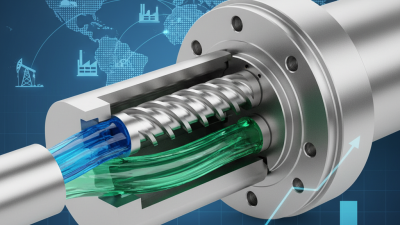
A positive-displacement mud motor turns drilling-fluid flow into rotation at the bit. Inside the motor, a helical rotor moves within a matching stator. Pumped mud passing through their cavities creates pressure and drives the rotor’s eccentric motion. A drive assembly transfers that motion to the bit as useful rotation.
The drill string can remain largely stationary while the bit turns. That matters. It can help crews steer a well using a bent housing and measure-and-adjust drilling direction. Motor speed depends on flow rate, while torque is influenced by pressure differential. Too little flow may reduce performance; excessive differential pressure can strain the motor. The mud also carries cuttings upward, but its solids content and temperature can affect the stator’s elastomer. Small details matter, such as a changing pump rate or a sudden pressure increase.
This mechanism is straightforward on paper, but downhole conditions are less tidy. A motor’s performance depends on the chosen configuration, fluid properties, and operating limits. I would not treat a planned flow rate as a guarantee of steady bit speed. Crews monitor pressure, returns, and drilling response, then adjust carefully. The motor adds control, not certainty.
Typical Mud-Motor Speeds of 100–300 rpm and Their Effect on Bit Performance
Mud motors commonly operate around 100–300 rpm, but the actual speed depends on motor design, drilling-fluid flow rate, and downhole load. That figure describes motor rotation, not necessarily total bit speed. If the drillstring also turns from the surface, its rotation can add to the motor’s contribution.
Speed changes how the bit engages the formation. At lower rpm, the bit may deliver stronger impacts and steadier torque in hard, abrasive rock. Higher rpm can improve cutting action in suitable formations, but may also increase heat, vibration, and cutter wear. Watch the returns and drilling response. A sudden rise in torque or vibration can signal that the bit is struggling, even when the surface readings look acceptable.
There is no ideal rpm for every interval. Flow rate, weight on bit, formation strength, and bit type all matter, so operators should compare drilling rate with torque, pressure, and vibration trends. A faster bit is not automatically a more productive bit. That part is easy to misread. The 100–300 rpm range is a practical reference, not a target to chase; the best setting is the one that maintains stable cutting without overstressing the motor or bit.
Directional Control with Bent Housings, Commonly Set at 0–3°
Why Choose Mud Motor Drilling for Oil and Gas Wells?
A mud motor converts drilling-fluid flow into bit rotation, helping crews steer a well without rotating the entire drill string. Its bent housing creates a slight angle between the motor and bit. Commonly set between 0° and 3°, this bend supports directional control while keeping the assembly practical for varied well plans. Small changes matter. A higher setting may increase steering response, but the result also depends on formation strength, weight on bit, and assembly design.
When sliding, the driller orients the toolface toward the planned direction. The bit follows the motor’s bend, gradually building inclination or changing azimuth. During rotary drilling, drill-string rotation tends to average the bend’s steering effect. This gives crews a way to alternate between steering and efficient forward drilling. It is not perfectly predictable: rock layers, vibration, and changing bit behavior can shift the actual path. A planned angle is only a starting point, not a guarantee.
Tips: Confirm the bend specification and toolface orientation before drilling. Track survey results against the planned path, and adjust slowly when readings diverge. Keep clear records of flow rate, weight on bit, and sliding intervals. Small corrections often help; rushed ones can make the next decision harder.
Applications in Deviated Wells, Slide Drilling, and Hard-to-Reach Targets
Mud motors turn drilling-fluid flow into bit rotation, making them useful in deviated wells where the surface rig cannot point the bit directly at the target. A bent housing helps the directional driller steer during slide drilling: the drillstring stays still while the motor turns the bit. In a tight curve, this can help adjust the well path without pulling the entire assembly.
The EIA’s Drilling Productivity Report tracks activity and production across seven major U.S. regions. That regional view is a reminder: drilling conditions vary, so one motor setup will not suit every well. In hard-to-reach targets, crews consider motor bend, flow rate, pressure, temperature, and formation hardness. They also watch toolface orientation and slide length; small errors can move the bit away from the planned path. A motor is not magic. I’d still question a setup that looks efficient on paper but struggles with actual downhole conditions.
Tip: Match the motor to the target and formation, then monitor pressure and toolface response while sliding. Small adjustments matter.
Key Selection Factors: Flow Rate, Pressure Drop, Torque, Wear, and Mud Compatibility
Why Choose Mud Motor Drilling for Oil and Gas Wells?
Choosing a mud motor starts with the planned flow rate, not a catalog headline. The pump must deliver enough flow for motor speed and bit cleaning. Too little may reduce performance; too much can exceed the motor’s limits. Check the operating range against expected pump output and drilling conditions. Field estimates are not always exact.
Pressure drop matters just as much. The motor needs a suitable share of the available pressure, while the bit and other tools also require pressure for their work. Compare motor curves with the full hydraulics plan, including likely changes in mud properties. Leave operating margin. A tight pressure budget can become a real constraint downhole.
Torque should match the formation, bit, and expected weight on bit. It is tempting to optimize torque alone; that can be a mistake. Higher loading may increase wear, especially with abrasive solids or extended runs. Review elastomer compatibility with the mud’s base fluid, additives, temperature, and solids content. Small details matter. Ask how the chosen motor performs under the actual fluid conditions, and check inspection history where available. A careful selection still involves uncertainty; real formations rarely follow the plan perfectly.