Top 10 Asphalt Pump Manufacturers for Global Buyers
Choosing an asphalt pump is a practical decision, not just a brand comparison. Hot binder can cling to metal surfaces, while abrasive particles and changing temperatures place steady demands on seals, bearings, and drive systems. For global buyers, the right choice depends on more than advertised capacity. Viscosity range, operating temperature, materials, maintenance access, and local service support all matter. Small details matter.
This guide compares ten manufacturers through those buyer-focused factors. It considers pump designs, application experience, configuration options, and the support available after installation. A high flow rate may look impressive on a specification sheet, yet it means little if the unit struggles with cold starts or frequent cleaning. Real operating conditions can be less tidy than product brochures suggest. Buyers should verify technical claims against their own process requirements and request current documentation from manufacturers.
An illustrative expert comment, written for this introduction rather than presented as a verified quotation, captures the central trade-off: “A dependable asphalt pump must move the material consistently and remain serviceable when the job gets demanding.” The following overview is intended as a starting point, not a substitute for engineering review. Compare shortlisted models against your temperature range, throughput, installation layout, and maintenance capacity before making a purchase. The ranking can guide research, but no single list fits every plant.
What Asphalt Pumps Do and Where They Are Used
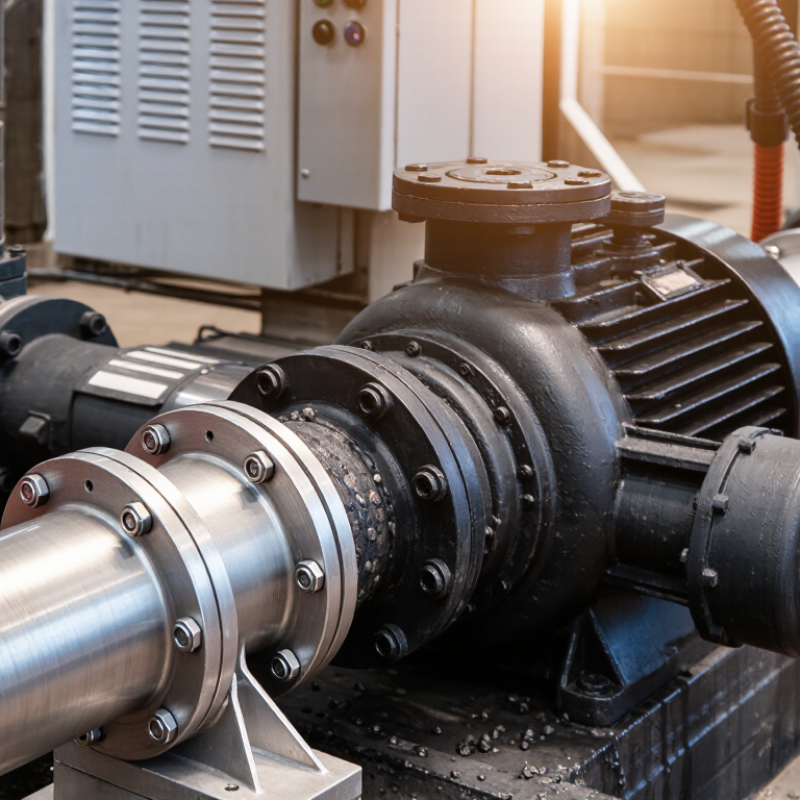
Asphalt pumps move hot bitumen and related binders through storage, processing, and paving systems. They are designed to handle thick fluids that can cool and become difficult to move. Many use positive-displacement mechanisms, such as gear or screw designs, to provide steady flow. Heat matters. Heated pump casings and insulated pipes help maintain workable temperatures, while suitable seals and materials reduce wear from continuous service.
Typical applications include transferring binder from heated tanks, feeding asphalt mixing plants, and supplying metering systems during production. At roadwork sites, pumps can move liquid asphalt to application equipment; they do not pump finished asphalt mix containing stone. Roofing and waterproofing operations also use pumps to circulate or deliver heated bitumen. Connections, strainers, and temperature controls deserve attention, since a blocked line or cooled section can interrupt work quickly.
Flow rate is only part of the decision; overlooking cold-start behavior is an easy mistake. Buyers should compare the required temperature range, viscosity, pressure, duty cycle, and cleaning access with actual site conditions. A pump that performs well in a warm plant may struggle after a cold night or during a long transfer. Specifications help, but installation details matter too. Even careful planning can miss a troublesome pipe bend or an undersized inlet.
Key Features That Distinguish Asphalt Pump Manufacturers
Asphalt pump manufacturers differ less by catalog claims than by how well their equipment handles real operating conditions. A pump moving hot, viscous asphalt must maintain steady flow despite heat, abrasion, and pressure changes. Ask for its rated temperature, viscosity range, pressure curve, and casing, rotor, and seal materials. Specific answers matter. Vague assurances do not.
Design details reveal practical experience. A heating jacket and properly sized ports can reduce cold spots and flow interruptions. The pumping path also matters, especially when asphalt contains mineral filler. Compare seal access, bearing protection, and the time needed for routine inspection. Small details count. Request performance data at the actual product temperature, not only at room temperature. Results from a similar duty cycle are more useful than a peak-flow figure.
Reliable manufacturers document quality checks, spare-part availability, and commissioning support clearly. Check whether materials and tolerances are specified, and whether service staff can troubleshoot vibration or leakage. References from comparable plants add context, though operating conditions still differ. Even a strong pump may struggle if the inlet line is undersized or insulation is poor. That is easy to overlook. Compare operating demands, not just purchase price. Specifications remain imperfect proxies; a site trial can reveal gaps before routine production.
How to Evaluate Manufacturers for Global Purchasing
Top 10 Asphalt Pump Manufacturers for Global Buyers
How to Evaluate Manufacturers for Global Purchasing
Choosing an asphalt pump supplier takes more than comparing flow rates and prices. Start with your actual operating conditions: asphalt temperature, viscosity, required output, pressure, and daily duty cycle. Ask which pump materials and seal designs suit those conditions. Request performance curves and test records, not just catalogue figures. A test using water may not reflect hot, sticky asphalt. Details matter. Check whether the manufacturer can provide spare parts, clear operating instructions, and technical support across your time zone. Export experience is useful, but confirm delivery schedules, packaging, and documentation directly.
Tips: Share your process data before requesting a quote. Ask for a parts list, warranty terms, and references from comparable installations. If possible, arrange a factory inspection or a witnessed performance test.
Compare suppliers using the same questions and specifications. This makes quotations easier to assess and exposes missing information. Look closely at response quality: precise answers about wear, maintenance intervals, and troubleshooting are more useful than broad promises. Verify relevant quality certificates with the issuing organization, and confirm that service commitments are written into the agreement. A polished brochure can still leave practical gaps. Even a careful evaluation cannot predict every site condition, so leave room to reassess after installation and record early operating results.
Top 10 Asphalt Pump Manufacturers for Global Buyers
How to Evaluate Manufacturers for Global Purchasing
Suggested evaluation weighting for a buyer’s comparison—not manufacturer rankings or measured company data. Adjust the weights to match the application, destination-market requirements, and project priorities. Verify pump performance, materials, applicable certifications, service coverage, delivery terms, and total lifecycle costs with each supplier.
Profiles of 10 Asphalt Pump Manufacturers
Profiles of ten asphalt pump manufacturers are most useful when they reveal engineering differences, not just catalog claims. Compare pump type, rated flow, pressure, temperature range, and materials for wetted parts. Asphalt can be abrasive and viscous; a cold-start test may expose problems that a polished specification sheet misses. Ask for performance curves at your actual operating temperature. Small details matter.
A strong profile should explain how the manufacturer handles seals, heating, maintenance access, and spare-parts support. It should also distinguish tested performance from estimates. The National Asphalt Pavement Association’s 2022 industry survey reported that about 89.2 million tons of reclaimed asphalt pavement were used in new mixtures. That scale of material reuse underscores the need for pumps that tolerate variable feed conditions, though it does not prove one pump design is universally best. Some profiles may still leave gaps; note them rather than assuming.
Tips: Request a written duty-point confirmation, a parts list, and references from comparable installations. Check whether stated capacity applies to hot asphalt, not water. Ask how the unit behaves after a shutdown. A brief, documented trial can be more informative than a broad warranty claim.
Comparing Suppliers by Product Range, Support, and Availability
Choosing among leading asphalt pump manufacturers requires more than comparing advertised flow rates. Asphalt changes with temperature, and a pump suited to warm, thin material may struggle with cooler, thicker mix. Check operating temperature, viscosity range, pressure, seal design, and duty cycle against actual plant conditions. A broad product range is useful only when options are clearly documented. Details matter.
Ask whether suppliers offer gear, screw, or other suitable pump designs, plus practical choices for motor, jacket heating, and connections. Request performance curves at your expected speed and temperature, not just a maximum-capacity figure. A supplier’s technical team should explain installation limits, startup procedures, and routine wear parts in plain language. Supplier sheets are not the whole story; a short call can reveal whether support is responsive or generic.
Availability deserves equal weight. Confirm standard parts, shipping estimates, local service coverage, and realistic manufacturing lead times before comparing quotations. Lead times vary. Request a written list of included accessories, spare-part recommendations, and warranty conditions, then compare like for like. Where possible, ask for references from facilities handling similar asphalt volumes. No comparison is perfect: delivery dates can shift, and future mix conditions may be uncertain. A neat ranking can still miss a real-world mismatch.