Top Asphalt Pump Manufacturers for Global Buyers

Choosing an asphalt pump is not a catalog exercise. Asphalt’s viscosity changes with temperature, while fillers and long operating hours can increase wear. A pump that looks suitable on paper may struggle when cold material reaches the inlet. Small details matter: inlet diameter, jacket connections, seal design, and the actual operating speed. They deserve careful review.

A practical principle, paraphrased from pump engineer Igor J. Karassik’s technical work, is: “Choose a pump for the fluid and duty—not for a headline flow rate.” That distinction helps global buyers compare manufacturers on more than advertised capacity. Useful evidence includes published performance curves, material specifications, temperature limits, service guidance, and clear warranty terms. Ask how the supplier supports commissioning and replacement parts in your region. A polished brochure is not enough.

This overview examines leading asphalt pump manufacturers and the differences buyers should verify before requesting a quotation. It considers pump type, construction, application range, customization, and after-sales support. No shortlist is perfect. Product availability and service coverage can change by market, and a manufacturer’s claims still need checking against the intended duty. Share the operating temperature, required flow, pressure, and material conditions when seeking recommendations. That makes comparisons more meaningful—and can expose a mismatch before it becomes an expensive lesson.
Top Asphalt Pump Manufacturers for Global Buyers

Asphalt Pumping Basics: Typical Transfer Temperatures Reach 150–180°C

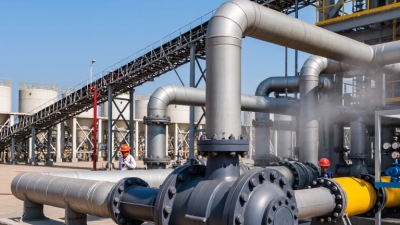
Hot asphalt behaves less like a free-flowing liquid and more like a heavy, temperature-sensitive material. The Federal Highway Administration’s report Warm-Mix Asphalt: European Practice (FHWA-PL-08-007) places conventional hot-mix production at roughly 300–350°F, or 149–177°C. That range explains why asphalt transfer systems are often designed for service near 150–180°C. But production temperature is not automatically the correct pump-inlet setting; binder grade, mix design, line length, and heat loss all matter.

Small details become important. A long, uninsulated pipe can cool the material, raise its viscosity, and increase the load on the pump. Jacketed lines, compatible seals, and temperature checks near the inlet help operators catch problems before flow becomes erratic. Keep the line warm. The FHWA report also describes warm-mix processes using lower production temperatures, a reminder that one temperature rule cannot fit every mix. Still, it is easy to focus on the pump and overlook the pipe. A practical selection should consider viscosity at operating temperature, required flow, and the time asphalt may sit in the system—not just the headline temperature range.

Main Pump Types: Gear, Screw, and API 676 Rotary Designs

Gear, screw, and API 676 rotary pumps serve different asphalt duties. Hot asphalt thickens quickly as it cools, so pump selection must account for operating temperature, viscosity, suction conditions, and required flow. Gear pumps offer compact construction and steady delivery for uniform, viscous material. Their close internal clearances can be less forgiving when abrasive fillers or contamination are present. Details matter.

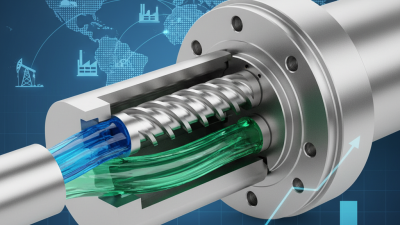
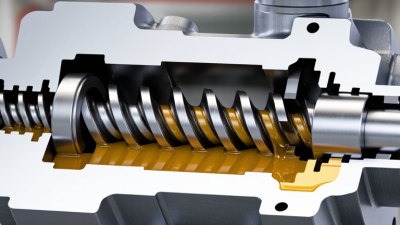
Screw pumps can provide smooth, low-pulsation flow, which helps when stable transfer matters. But “screw pump” describes several configurations; their tolerance for solids and viscosity varies. Check the specific design and confirm its operating limits with the supplier. A brief temperature drop can raise viscosity sharply and increase suction difficulty.

API 676 sets requirements for rotary positive-displacement pumps used in petroleum and related industries; it is a design reference, not proof that every compliant pump suits asphalt. NAPA’s 2023 Asphalt Mixture Producer Survey estimates U.S. production at about 422 million tons. That figure shows the scale of asphalt handling, but it does not determine pump capacity. Match the pump to the actual process: batch or continuous transfer, line length, pressure, and material condition. I would verify temperature at the pump inlet, not rely only on the tank reading. The difference can be easy to miss.

Top Asphalt Pump Manufacturers for Global Buyers - Main Pump Types: Gear, Screw, and API 676 Rotary Designs
Pump Type Operating Principle Potential Suitability for Asphalt Advantages Selection Considerations Typical Applications
Gear pump Rotating gears trap and move fluid from the inlet to the discharge. External- and internal-gear designs are used in positive-displacement pumping. Often considered for hot, viscous asphalt when the pump, seals, and clearances are selected for the fluid’s temperature and operating conditions. Compact construction; steady, predictable flow at a given speed; can handle viscous liquids. Check viscosity across the full temperature range, required differential pressure, speed, allowable wear, and seal compatibility. Provide suitable inlet conditions and overpressure protection. Asphalt transfer, loading and unloading, and process circulation, subject to the duty and pump design.
Screw pump One or more rotating screws convey fluid along the screw axis. Designs include twin-screw and three-screw configurations. May suit continuous transfer of viscous asphalt where a particular screw design can meet the required flow, pressure, and temperature conditions. Continuous flow; some configurations provide relatively low-pulsation operation; design options can address different flow and pressure duties. Confirm the specific screw arrangement, viscosity range, inlet pressure, speed, clearances, heating needs, and suitability for the required differential pressure. Continuous transfer and circulation in asphalt handling and processing systems.
API 676 rotary positive-displacement design API 676 is a standard for rotary positive-displacement pumps; it is not a separate pumping principle. Covered pump designs may include gear, screw, and other rotary configurations. Can be relevant when project specifications call for an API 676-compliant pump and the selected configuration is suitable for the asphalt service. Provides a framework for specified design, documentation, inspection, and testing requirements for applicable rotary positive-displacement pumps. Define the required edition and project scope, then verify the pump’s actual design, materials, temperature limits, sealing arrangement, and duty-point performance. API 676 compliance alone does not establish asphalt suitability. Engineered industrial duties where the purchaser or project specification requires API 676 compliance.
General selection note: Asphalt viscosity changes significantly with temperature. Evaluate the actual product grade and operating temperature, startup conditions, suction-line design, heat tracing or jacketing requirements, seal plan, and relief protection before selecting a pump. Positive-displacement pumps require protection against blocked discharge.

Leading Asphalt Pump Manufacturers: Global Suppliers and Specialties

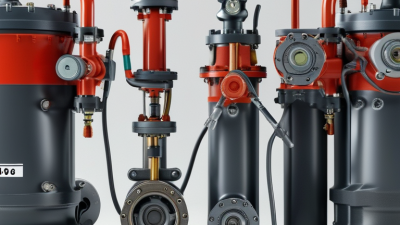
Global asphalt pump manufacturers typically specialize in positive-displacement designs, especially external gear, internal gear, and twin-screw pumps. Their strength is moving viscous binder steadily at controlled temperatures. Some suppliers focus on compact units for mobile mixing plants; others build heavy-duty packages for refineries and terminals. The details matter.

For hot asphalt, look for a jacketed casing, suitable seals, and clear temperature limits. A pump may handle thick material well when warm, yet struggle during a cold start. Ask suppliers for viscosity ranges, recommended speeds, and performance data at your actual operating temperature. Request details on spare parts and local service, too. A polished brochure is not enough.

Global suppliers differ in more than pump design. Some provide complete skids with motors, heating connections, and instrumentation; others sell the pump alone. Check whether the proposed materials match your binder and cleaning routine. Ask how the unit behaves during brief flow interruptions, and whether maintenance requires special tools. I would compare test conditions carefully, since figures from different suppliers may not describe the same duty. Even a small mismatch can complicate commissioning.

Buyer Criteria: Match Viscosity, Flow Rate, Pressure, and Heating Needs

Selecting an asphalt pump begins with the material, not the catalog headline. Asphalt viscosity changes with temperature, grade, and time in the line. Ask manufacturers for performance data at your actual operating temperature, not only at a convenient test condition. A pump that handles warm material may struggle during a cold start. Small details matter. Share the expected temperature range and whether the asphalt contains additives or reclaimed material.

Next, match flow rate and pressure to the whole system. Estimate the required volume per hour, then account for pipe length, bends, filters, and elevation changes. These add resistance. Request a pump curve or equivalent operating data, and check that the duty point falls within the recommended range. Oversizing can waste energy and increase wear; undersizing may leave a mixer waiting. It is easy to focus on peak flow and overlook steady operation.

Heating needs deserve equal attention. Confirm whether the pump body, inlet, or connected piping requires heat tracing, and ask how temperature is monitored. The right arrangement should reduce cold spots without exposing seals or fluid to excessive heat. Also verify seal compatibility, maintenance access, and spare-part availability. I would not accept a rating without its test conditions; supplier figures can be hard to compare. Leave a modest operating margin, but avoid buying capacity you will rarely use.

Asphalt Pump Buyer Criteria: Example Duty Point

Compare viscosity, flow rate, discharge pressure, and heating needs when evaluating pump suitability.

Illustrative buyer inquiry only—not a universal operating specification or manufacturer performance data. Bar lengths are scaled separately for each criterion, so compare the displayed values, not bar lengths. Confirm requirements against the asphalt grade, operating temperature, and system design.

Technical Checks: Verify API 676, Materials, and After-Sales Support

For global buyers, check whether a pump’s design aligns with API 676, which covers rotary positive-displacement pumps. Request the applicable edition, a compliance statement, and test records; a certificate alone does not confirm suitability for hot, viscous asphalt. Verify rated temperature, pressure, speed, and capacity against your actual duty cycle. Small details matter.

Materials need equal scrutiny. Ask for the grades used in the casing, rotor, shaft, and sealing components, then check their limits against asphalt temperature and any additives. Review clearances and thermal-expansion allowances, too. A pump that handles cold material may struggle after a hot restart. The U.S. Department of Energy’s Improving Pumping System Performance sourcebook reports that pumping systems use nearly 20% of global electricity demand. That broad figure is not asphalt-specific, but it underscores why correct sizing and efficient operation deserve attention.

After-sales support can determine whether a minor fault becomes costly downtime. Confirm local access to wear parts, realistic delivery times, commissioning guidance, and a named technical contact. Ask how support handles seal leakage or reduced flow, and whether troubleshooting is available remotely. Paperwork helps, but it may not answer every site-specific question. Reflect on that gap before purchase.