2026 Best Double Screw Pump Manufacturers?
Choosing the best double screw pump manufacturers for 2026 requires more than comparing brochures or online rankings. Pump performance depends on the application, fluid behavior, operating temperature, pressure, and cleaning method. A manufacturer serving food processing may differ greatly from one focused on chemicals, marine systems, or industrial transfer. The right choice must fit the process.
This guide examines manufacturers through practical and verifiable criteria. These include pump design, material selection, flow stability, energy efficiency, maintenance access, and technical support. It also considers documented testing, quality systems, service coverage, and customer experience. Real-world details matter. A reliable supplier should explain how its pump handles abrasive solids, shear-sensitive liquids, air entrainment, or frequent start-stop cycles.
Strong engineering evidence is more valuable than attractive claims. Buyers should request performance curves, material certificates, application references, and clear warranty terms. Factory audits or technical discussions can reveal how carefully a company manages tolerances and assembly quality. Small details count.
No ranking is perfect.
A pump that performs well at 100 cubic meters per hour may be unsuitable at low flow. Installation conditions can change everything. This comparison therefore avoids presenting one universal winner. Instead, it highlights manufacturers with credible capabilities, transparent documentation, and practical support for different industries. Some information may also change during 2026, including product ranges, regional service networks, and published specifications. Careful verification remains necessary before purchase. That caution may sound inconvenient, but it protects budgets, production schedules, and long-term equipment reliability.
Double Screw Pumps: Working Principles and Main Applications
Double Screw Pumps: Working Principles and Main Applications
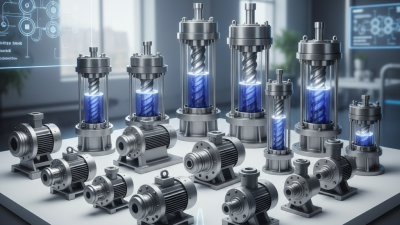
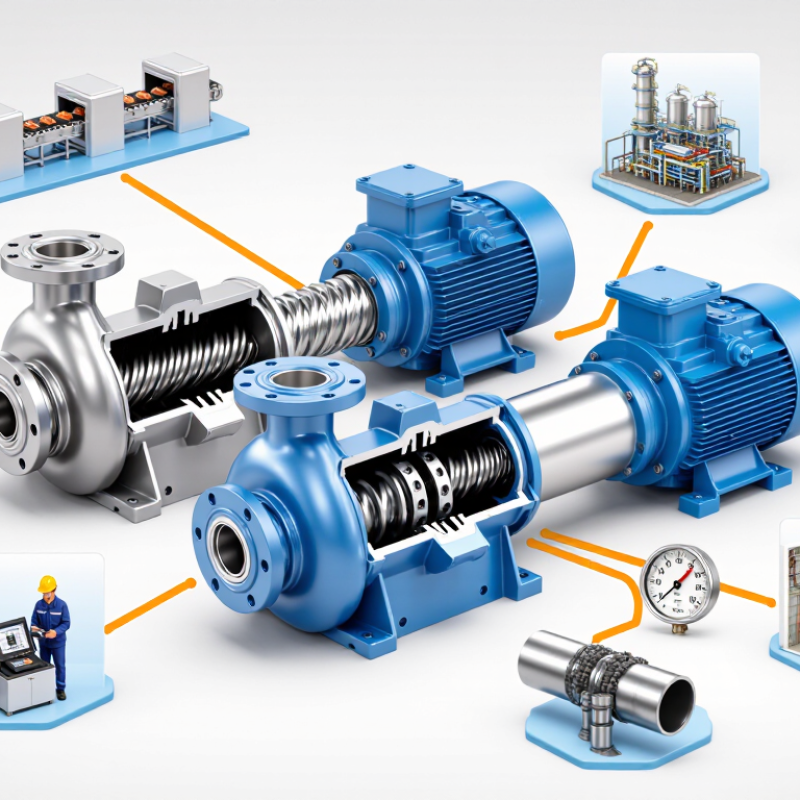
A double screw pump uses two intermeshing screws to move liquid through a sealed chamber. As the screws rotate, cavities form at the inlet and carry fluid toward the discharge side. The screws usually turn without touching, which helps reduce wear and protect sensitive products. Timing gears maintain their position and support stable operation. Flow is generally smooth, with less pulsation than many other positive displacement pumps.
These pumps handle low- to high-viscosity fluids, including oils, syrups, emulsions, fuels, and wastewater mixtures. Their gentle shear makes them useful in food processing, chemical production, marine systems, and energy facilities. Some models can also manage fluids containing small solid particles. In practical installations, suction conditions matter greatly. Poor inlet design can cause noise, vibration, and reduced capacity, even when the pump is correctly selected. I have seen performance estimates fail when operators ignored temperature changes. Viscosity can shift quickly.
Tips: Check viscosity across the full operating temperature range. Confirm the required flow, pressure, speed, and material compatibility. Install suitable filtration when solids may enter the pump. Monitor vibration and motor load during commissioning. Do not assume a quiet pump is operating efficiently; compare actual flow with the design value. Small measurement errors can become expensive maintenance problems.
How to Evaluate Double Screw Pump Manufacturers in 2026
Choosing among double screw pump manufacturers in 2026 requires more than comparing advertised flow rates. Start with the process. Ask for verified data at your actual viscosity, temperature, pressure, and speed. A pump moving water smoothly may behave differently with shear-sensitive fluids or entrained air. Request performance curves, efficiency figures, allowable solids, and expected wear rates. Material selection deserves equal attention. Confirm compatibility for every product-contact surface, seal, gasket, and cleaning chemical. For hygienic service, inspect surface finish, drainability, dead zones, and documented testing. Do not accept vague claims.
A credible manufacturer explains its test method and shares the conditions behind each result. Look for traceable quality records, dimensional inspection, pressure testing, and clear acceptance criteria. Factory acceptance testing should mirror your installation, not a convenient laboratory scenario. Ask who supplies the motor, gearbox, seals, and control system. Integration failures often appear at these interfaces. Service capability matters after delivery. Evaluate spare-parts lead times, technician training, remote diagnostics, and response procedures. Talk with reference users operating comparable duty cycles. Specific feedback beats polished brochures.
Cost still matters, but purchase price can hide energy use, seal replacement, downtime, and cleaning labor. Build a lifecycle estimate using operating hours and maintenance history. A scorecard helps, but it can miss site-specific behavior. Be cautious when a supplier promises universal performance. Real processes are rarely universal. Ask for a pilot test when the fluid changes seasonally or contains abrasive particles. One uncomfortable question remains: what happens when the pump misses its target? Manufacturers that document limits, failure modes, and corrective actions are easier to trust. Would the same promise survive your worst operating day?
Leading Double Screw Pump Manufacturers and Their Core Strengths
2026 Best Double Screw Pump Manufacturers?
Leading double screw pump manufacturers stand out through engineering depth, not polished brochures. The strongest suppliers design pumps for viscous fluids, shear-sensitive products, and changing flow demands. Their core strength is controlled operation across multiple speeds.
Experienced manufacturers provide accurate performance curves. They also document materials, seal options, tolerances, and test procedures. Look for stainless steel construction, hygienic surface finishes, and accessible inspection points. These details matter when a pump moves syrup at dawn or thick oil through a cold pipeline.
Testing reveals more than marketing language. Reliable manufacturers conduct factory trials with measured flow, pressure, temperature, and power consumption. They should also offer installation guidance and practical maintenance training. Spare screw sets and seal kits should be easy to identify.
Small details matter most.
Heavy-duty manufacturers usually focus on abrasive service, compact layouts, and long operating cycles. Sanitary specialists emphasize cleanability, drainage, and gentle product handling. Custom engineering teams may adapt the inlet, jacket, drive, or control system for unusual duties.
Still, no manufacturer gets every detail right. A high-efficiency design may complicate cleaning. A compact pump may leave less room for maintenance. I would question any supplier promising universal performance without reviewing the actual fluid data. Viscosity, solids content, temperature, and suction conditions can change the result dramatically. The best choice comes from verified testing, transparent documentation, and support that continues after delivery.
2026 Best Double Screw Pump Manufacturers? — Leading Manufacturers and Their Core Strengths
This industry-level comparison highlights the core engineering strengths commonly associated with double screw pump technology. Scores represent technical capability areas rather than company rankings or brand-specific performance.
Scale: 1 = limited relevance, 5 = major technical strength. Actual performance depends on pump design, materials, speed, temperature, viscosity, and application conditions.
Comparing Pump Design, Materials, Performance, and Industry Support
Double screw pump selection should begin with design, not catalogue price. Twin rotors create steady, low-pulsation flow for viscous fluids and fluids containing soft solids. Timing gears protect the screws from contact. That detail matters during dry-running or sudden pressure changes.
Material choice follows the process. Stainless steel suits hygienic service and corrosive liquids. Hardened surfaces can improve wear resistance, but they may increase cost and complicate repairs. Sealing systems must match temperature, viscosity, and cleaning chemicals. API 676 provides useful guidance for rotary positive displacement pump design. The U.S. Department of Energy’s Improving Pumping System Performance sourcebook reports that pumping systems may consume 25–50% of industrial electricity. Efficiency deserves attention beyond the motor nameplate. Actual performance depends on speed, clearance, pressure, and maintenance.
Tips: Request verified curves at your operating viscosity, not only water data. Ask for test records, spare-parts lead times, and technician coverage. Check noise, vibration, and seal-access requirements before installation. No datasheet predicts every failure. Field conditions can expose weak assumptions. A reliable manufacturer should explain those limits clearly, provide inspection intervals, and support commissioning with measurable readings. Industry support is practical evidence: response time, documentation quality, training, and local service often decide lifetime value more than peak flow figures.
How to Choose the Best Double Screw Pump Manufacturer for Your Needs
Choosing a double screw pump manufacturer in 2026 requires more than comparing catalog prices. Start with your process. Define fluid viscosity, temperature, solids content, flow rate, pressure, and cleaning method. A reliable manufacturer should ask for operating data before recommending a model. That question matters. It shows engineering discipline, not sales pressure. Request performance curves tested under conditions close to yours. Generic water data can mislead when handling thick syrup, abrasive slurry, or temperature-sensitive food ingredients. Ask how the supplier verifies tolerances, shaft sealing, rotor balance, and material compatibility.
Experience becomes visible in practical details. Review case studies from similar industries, but check whether the reported duty matches your own. Speak with technicians who have installed and maintained the pumps. Ask about commissioning support, spare-part availability, inspection records, and response times. A manufacturer with documented quality procedures should explain material certificates, pressure testing, and final inspection clearly. Independent certifications can help, yet certificates alone do not prove field performance. I would also request a reference installation visit when the project is expensive or difficult to reverse.
Do not overlook lifecycle cost. Compare energy use, seal replacement intervals, cleaning time, downtime risk, and training requirements. The cheapest quotation may become costly after six months. However, premium specifications are not automatically necessary. This is where judgment can fail. Require a written duty guarantee, realistic warranty terms, and clear exclusions. Ask what happens if actual viscosity or temperature changes. A trustworthy supplier will admit limits and propose testing when data is incomplete. Leave room for doubt; early assumptions often need correction after operators use the equipment daily.