Top 10 Twin Screw Pump Manufacturers in China?
Choosing a twin screw pump is not just a matter of comparing flow rates. The right choice depends on the product, operating temperature, cleaning routine, and available space. A pump handling viscous food ingredients may face very different demands from one moving fuel or chemical products. Small details matter: seal materials, inlet conditions, and how easily operators can inspect the unit.
This guide to the Top 10 Twin Screw Pump Manufacturers in China gives buyers a practical starting point. It highlights companies to investigate, not a universal ranking or a guarantee of performance. The term twin screw pump manufacturers covers a broad field, from established industrial suppliers to specialist producers. Their product ranges, engineering support, and export experience can vary considerably. No list can be perfect. A polished brochure may still leave important questions unanswered.
When comparing suppliers, look beyond headline specifications. Request drawings, material options, test information, and clear answers about service and spare parts. Check whether the proposed pump suits your actual fluid and duty cycle. Ask how the manufacturer handles custom requirements and commissioning support. Published certifications and customer references can help, but they should be checked against your project needs. If possible, review a comparable installation or arrange a technical discussion with the supplier’s engineers.
This overview is intended to help buyers ask better questions before requesting quotations. It cannot replace application-specific engineering. That gap matters. Use the shortlist to build a careful comparison, then verify claims directly with each company. A few minutes spent clarifying the duty conditions may prevent a costly mismatch later.
What Is a Twin Screw Pump and How Does It Work?
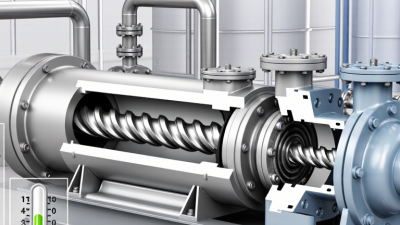
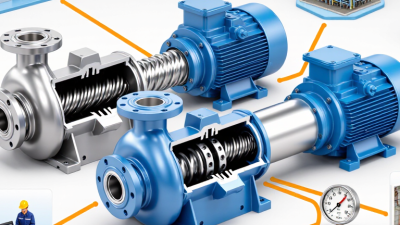
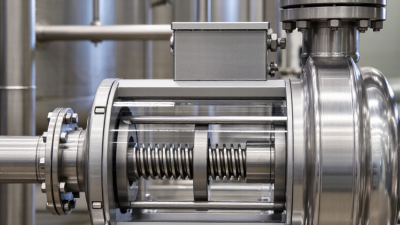
A twin screw pump moves liquid with two helical rotors turning inside a close-fitting casing. The screws mesh without touching, while timing gears keep them synchronized. As they rotate, sealed cavities form near the inlet and carry fluid along the screw shafts toward the outlet. The flow is steady, with less pulsation than many reciprocating pumps.
A simple idea. Precise clearances.
The pump’s performance depends on rotor geometry, speed, liquid viscosity, and the gap between moving parts. Close clearances help limit internal slip, but abrasive particles can accelerate wear. Twin screw pumps can handle many viscous fluids and, in suitable designs, liquid mixed with gas. They are not automatically right for every fluid. Operators should check temperature, solids content, lubrication needs, and the manufacturer’s operating limits before selecting a unit.
In practice, a pump that runs smoothly with warm oil may behave differently with a cold, thick product. That detail is easy to underestimate. Regular checks of pressure, noise, and temperature can reveal changes before they become costly failures.
Where Are Twin Screw Pumps Commonly Used?
Twin screw pumps are commonly used where a steady flow matters more than simple water transfer. In oil and gas facilities, they move crude oil, fuel, and mixtures containing gas. Their twin rotating screws can handle changing flow conditions with relatively low pulsation. Actual performance depends on the pump design and operating speed.
Food and beverage plants use them for products such as syrups, creams, and edible oils. A smooth flow can help limit product damage, while suitable pump construction supports cleaning procedures. That matters. Chemical processors also use twin screw pumps to transfer viscous liquids and some shear-sensitive materials. Operators still need to check material compatibility, temperature, and seal requirements before choosing a unit.
Marine systems may use these pumps for fuel or lubricating oil transfer, especially when fluids vary in viscosity. They also appear in paper and industrial processes where thick liquids need controlled movement. Still, “handles almost anything” is an easy claim to overstate. Abrasive particles, poor suction conditions, or an unsuitable speed can cause wear and reduce service life. Not everywhere. A practical selection starts with the fluid itself: its viscosity, temperature, solids content, and expected flow range.
Twin Screw Pumps: Common Applications
A qualitative overview of how well twin screw pumps suit common industrial applications.
Ratings are illustrative engineering comparisons, not measured market shares or rankings. Suitability depends on pump design, fluid properties, and operating conditions.
How to Evaluate Chinese Twin Screw Pump Manufacturers
Choosing among Chinese twin screw pump manufacturers requires evidence beyond catalog flow rates. Start with the duty point: fluid viscosity, temperature, solids, suction conditions, and required pressure. Ask for a performance curve and a witnessed factory test at a comparable operating point. Twin screw pumps can handle changing viscosities, but poor inlet design can still cause noise, wear, and unstable flow.
The U.S. Department of Energy’s 2006 Industrial Electric Motor Systems Market Opportunities Assessment estimated that pumps account for about 27% of industrial motor-system electricity use. Efficiency and operating cost deserve attention, not just purchase price. Compare power draw across the expected operating range, then review rotor and casing materials, seal options, and endurance-test records. Ask whether the design and testing follow applicable API 676 requirements. Paperwork can look polished; actual test data matters more.
Tips: Send each supplier the same one-page duty specification. Verify serial-number traceability, test instruments, and service response times. A video call from the test bay helps, though it cannot replace independent inspection. One detail is easy to miss: local service may matter more than a small efficiency advantage.
Profiles of 10 Twin Screw Pump Manufacturers in China
The ten profiles focus on practical differences among Chinese twin screw pump manufacturers, not unsupported rankings. One may specialize in custom designs, adjusting shaft spacing and casing dimensions for existing pipework. Another may focus on hygienic service, with smooth internal surfaces and cleanable seals. A chemical-duty maker should explain material choices for the liquid being handled. Details matter.
Other profiles may emphasize marine installations, high-viscosity fluids, or compact pumps for limited spaces. Some manufacturers offer integrated machining, which can help control tolerances between screw and casing. Others may stand out through test facilities. Ask for evidence: request performance curves, test records, and operating limits for the proposed model. A catalog alone is not enough.
The remaining profiles may suit equipment builders needing OEM configurations, buyers seeking export documentation, or operators who value local service and spare-part access. Check what each supplier actually makes in-house; assembly capability does not always mean control over every component. Compare materials, pressure range, flow stability, and seal options against your process conditions. One caution: published figures may use different test conditions, so direct comparisons can mislead. A careful review should include a written duty point and clear assumptions.
How to Compare Manufacturers and Choose a Supplier
When comparing Chinese twin screw pump manufacturers, match the pump to your actual duty point. Share flow rate, pressure, fluid viscosity, temperature, and suction conditions. Ask for a performance curve tested against those conditions, not only a catalog maximum. Check wetted-material specifications, shaft-seal options, machining controls, and documented inspection procedures. Small details matter: a seal suitable for clean oil may not suit a fluid containing abrasive particles. Ask how the supplier handles wear parts and typical delivery times. I would also request a factory test record; a product photo proves very little.
Market figures offer context, not a supplier scorecard. Grand View Research valued the global industrial pumps market at USD 66.3 billion in 2023 and projected a 4.5% compound annual growth rate from 2024 to 2030. That broad category includes many pump types, so it cannot confirm twin screw pump demand or quality by itself. Use it as background only. Compare at least three quotations using the same duty conditions, scope, and test requirements. Check whether the quotation includes motor, baseplate, coupling, commissioning, and spare parts. Ask for references from similar fluid and operating conditions, then verify them where practical. A low price may be attractive. I would still question what the test, warranty, and service terms leave out.