What Is a Twin Screw Pump and How to Find Manufacturers?
Twin screw pumps move fluid through two synchronized rotors inside a close-fitting casing. As the screws turn, cavities carry product from the inlet toward the discharge. The result is steady flow with limited pulsation. Some models handle fluids with changing viscosity, but no pump suits every process. That distinction matters.
In food processing, a pump may transfer yogurt or syrup while supporting cleaning routines. In chemical service, it may move oils or other viscous liquids. Performance depends on fluid properties, temperature, pressure, speed, materials, and installation. A brochure can make a pump look universal. It rarely is. Buyers should compare operating curves and ask how the unit performs at their actual duty point, including startup and cleaning conditions. Small details count: seal design, rotor clearance, surface finish, and access for maintenance.
Finding reliable twin screw pump manufacturers means checking more than catalog claims. Look for documented testing, traceable material options, service capability, and clear answers about operating limits. Ask for references from similar applications, not just broad industry lists. Confirm whether the supplier offers engineering support and spare parts where the pump will operate. If possible, review a test report or discuss your process with an application engineer. This guide explains how twin screw pumps work, which specifications shape selection, and how to assess suppliers with practical questions. A careful choice takes time. It can prevent an expensive mismatch later.
What Is a Twin Screw Pump?
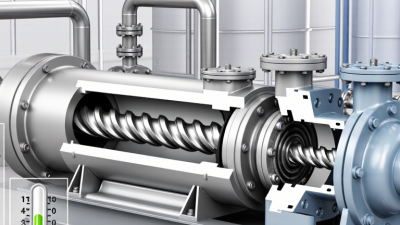
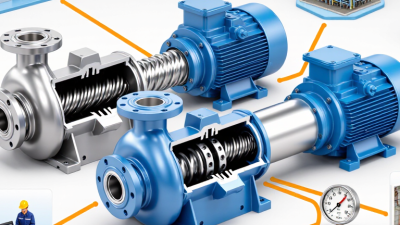
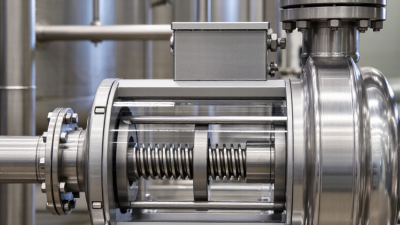
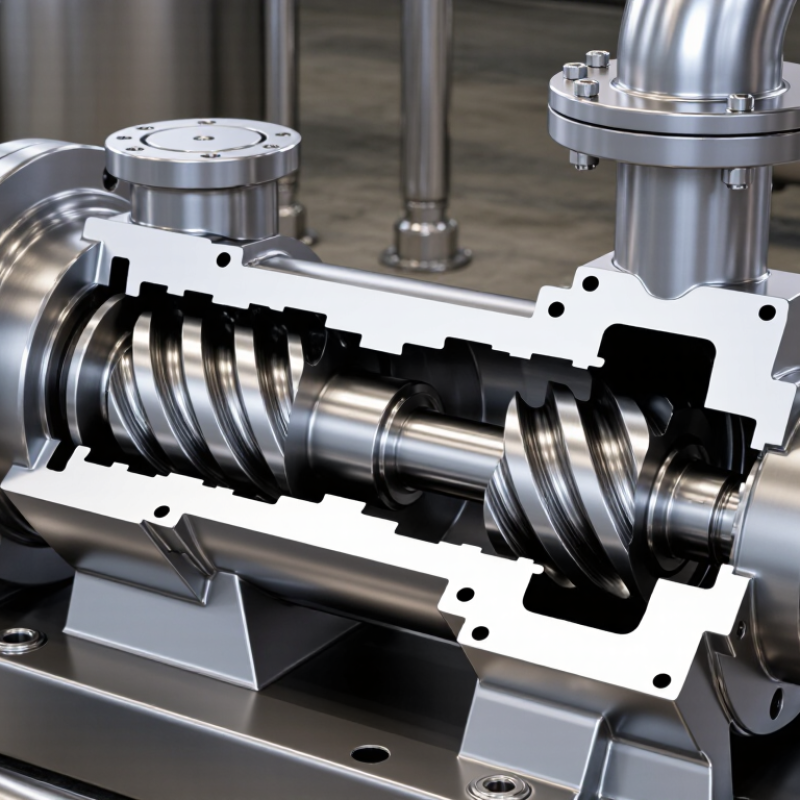
A twin screw pump moves liquid through two rotating screws housed inside a close-fitting casing. The screws turn in opposite directions, creating sealed cavities that carry fluid from the inlet to the outlet. In many designs, timing gears keep the screws synchronized without allowing them to touch. The result is steady, low-pulsation flow.
This pump can handle a broad range of viscosities, from light oils to thick syrups, and often works well with delicate fluids. Its smooth movement can reduce agitation compared with some other pump types. Useful, but not magic. The pump’s performance depends on fluid properties, operating speed, clearances, and seal materials. Abrasive particles may cause wear, while running dry can damage components in designs that are not built for it.
During selection, engineers typically check flow rate, pressure, temperature, viscosity, and cleaning requirements. A pump suited to warm, viscous product may not suit a thin liquid at high speed. That distinction is easy to miss. In practice, even small changes in fluid temperature can alter viscosity and affect power demand. Reviewing actual operating conditions—not just a product description—helps determine whether a twin screw pump fits the application.
What Is a Twin Screw Pump?
This chart compares screw-pump designs by the number of screws in the pumping element. A twin screw pump uses two screws to move fluid through the pump.
When evaluating manufacturers, confirm the pump’s screw configuration and check that its materials, capacity, pressure rating, and fluid compatibility suit your application.
How Does a Twin Screw Pump Move Fluid?
A twin screw pump moves fluid by trapping it between two rotating screws and the pump housing. At the inlet, liquid fills the spaces between the screw flights. Timing gears keep the screws synchronized, while their profiles guide fluid along the pump axis. In many designs, the screws do not touch each other or the casing; close clearances limit leakage. The principle is simple. The details are not.
As the screws turn, each pocket carries fluid from suction toward discharge. The pockets remain separated, so flow is generally steady, with less pulsation than many reciprocating pumps. Pressure develops when moving fluid meets resistance downstream; the screws do not suddenly compress it. That distinction matters when selecting piping and controls. Viscous oils may move smoothly, while thin liquids can slip through clearances more readily. Still, the pocket model is only an approximation; real flow is less tidy. Performance depends on speed, temperature, fluid properties, wear, and clearances. Some models handle mixed viscosities or gentle solids, but this is design-specific. Never assume every twin screw pump can run dry or pass debris. Check operating data against the actual fluid and conditions.
What Types, Materials, and Applications Are Common?
Twin screw pumps use two rotating screws to move fluid through a casing with steady, low-pulsation flow. Designs differ in rotor profiles, clearances, and operating pressure. Some are configured for hygienic service, while others suit demanding process duties. The choice depends on flow rate, pressure, viscosity, and how the pump will be cleaned. Small details matter.
Common wetted materials include 316L stainless steel for clean or corrosive fluids, duplex stainless steel for greater strength, and cast iron or carbon steel for suitable industrial services. Seals may use EPDM, FKM, or PTFE, depending on temperature and chemical compatibility. Twin screw pumps often handle oils, syrups, food ingredients, chemicals, and fluids containing soft solids. But not every model tolerates abrasive particles or dry running. I would not select a pump by fluid name alone; viscosity can shift sharply with temperature.
Tips:
Share real operating conditions with manufacturers: minimum and maximum flow, inlet pressure, temperature, viscosity range, and particle size. Ask how the pump handles cleaning and seal replacement. Request performance data for your actual fluid, not only water. A catalog rating can look reassuring, yet miss a difficult startup on a cold morning.
Which Factors Matter When Selecting a Twin Screw Pump?
Selecting a twin screw pump starts with the fluid, not the catalog. Record its viscosity at operating temperature, flow rate, pressure difference, and any solids or entrained air. Viscosity can change sharply as a product warms. A pump sized using room-temperature data may deliver less than expected. Check both normal operation and startup conditions. Small details matter.
Ask manufacturers about wetted materials, seal options, operating speed, and required inlet conditions. Request performance curves for your fluid and duty point, not just water data. If cleaning or frequent product changes are involved, ask how the pump handles residue and how easily it can be inspected. Practical testing helps. Review test procedures, documentation, spare-parts availability, and experience with similar applications. A polished specification sheet is useful, but it cannot resolve every uncertainty; real operating conditions may differ from the original estimate. Share those uncertainties before choosing a model.
How Can You Find and Evaluate Twin Screw Pump Manufacturers?
Finding a twin screw pump manufacturer starts with the duty, not the catalogue. Record the fluid, viscosity range, temperature, flow, pressure, and cleaning requirements. Then search industrial pump directories, engineering trade fairs, and supplier lists from relevant industry associations. Confirm whether each candidate designs and builds pumps or simply resells them. Ask for comparable installations, service locations, and the expected lead time for spare parts. Details matter.
Request a performance curve for your operating conditions, not just a headline capacity. Check materials, shaft seals, speed range, suction requirements, and how the pump handles changes in viscosity. Ask for documented factory test results, material traceability, and quality-system certification. Where applicable, compare the proposed design with API 676 requirements for rotary positive-displacement pumps. Ask for proof. A brochure is not a test report. I would still question a supplier that gives precise promises but avoids sharing assumptions behind its figures.
Market context can help with supplier research, but it cannot prove a maker’s quality. Grand View Research valued the global industrial pumps market at US$68.9 billion in 2023 and forecast 4.8% annual growth from 2024 to 2030 in its Industrial Pumps Market report. That figure covers industrial pumps broadly, not twin screw pumps alone. Use it as context, not as a shortlist. Compare written quotations against the same duty points, warranty terms, commissioning support, and maintenance plan. Ask one current customer about actual service response. Small gaps in the test data can become large questions after installation.